

UCaaS providers combine multiple communication channels into one interface, preventing miscommunications that negatively impact customer experience and team productivity. With UCaaS, conversations are picked up right where they left off, even if those conversations took place across multiple channels.
In this post, we compare, review, and finalize our UCaaS platform picks based on our own research and testing of each provider.
How We Compared UCaaS Providers
- Security+Reliability: We looked into the security features and call quality of each platform including certifications such as HIPAA and GDPR, data encryption, uptime SLA guarantees, global points of presence, etc.
- Customer Support: We tested out the speed and effectiveness of customer support for all providers taking into account available channels and service hours
- Ease of Use: We compared the user experience of each platform and tested mobile and desktop apps, analytics, advanced features, integrations and more
- Voice Features: We evaluated what phone system features were offered by each provider and looked out for advanced features such as intelligent IVR
- Communication channels: We took into consideration what communication channels besides voice were offered by each provider such as video conferencing, SMS/MMS, team chat, and social media channels
- AI-Powered features: We looked at whether AI and NLP powered features were offered and the sophistication of those features such as automated summaries, real-time transcription, agent assist, smart scripting, etc.
- Pricing+Plans: We compared the pricing structure of each platform and took into consideration what features were included, what add-ons were available and whether there were additional fees for things like number porting, priority customer service, etc. to determine overall value
Who Made the Cut? Best UCaaS Providers
- Nextiva – Best for Call Centers and customer experience efficiency
- RingCentral – Best for AI Insights, Video, and Chat
- 8x8 – Best For International Teams
- Vonage – Best For Mobile Teams
- GoTo Connect – Best For Multi-Location Teams
- Dialpad – Best For AI-Powered Teams
- Quo (formerly OpenPhone) – Best for Startups and Solo Teams
- Cisco Webex – Best for Security-Focused Enterprises
- Microsoft Teams - Best for Remote and Digital Communication Teams
Best UCaaS Providers At-A-Glance
| Provider | Pricing + Plans | Standout Features | Best For |
| Nextiva | $15-$75/user/month |
|
SMBs that prioritize customer service and have an online presence |
| RingCentral | $20-$25+/user/month |
|
Medium sized businesses and enterprises that need a high level of security and advanced features |
| 8x8 | Quote-based pricing |
|
International enterprises that need contact center features such as omnichannel routing |
| Vonage | $13.99-$27.99/user/month |
|
Startups and small businesses that want more customization options and control over pricing and features |
| GoTo Connect | Quote-based pricing |
|
Large companies and contact centers that require international calling capabilities and AI-powered tools |
| Dialpad | $15-$25+/user/month |
|
SMBs looking for an AI-first and innovative platform |
| Quo | $15-$35/user/month |
|
SMBs looking for affordable AI Receptionist capabilities |
| Cisco Webex | $0-$22.50/user/month |
|
Businesses of any size that require advanced team collaboration tools |
| Microsoft Teams | $7-$22.50/user/month |
|
Remote and hybrid teams that have a digital focus |
Nextiva: Best for Call Centers, AI, and CX
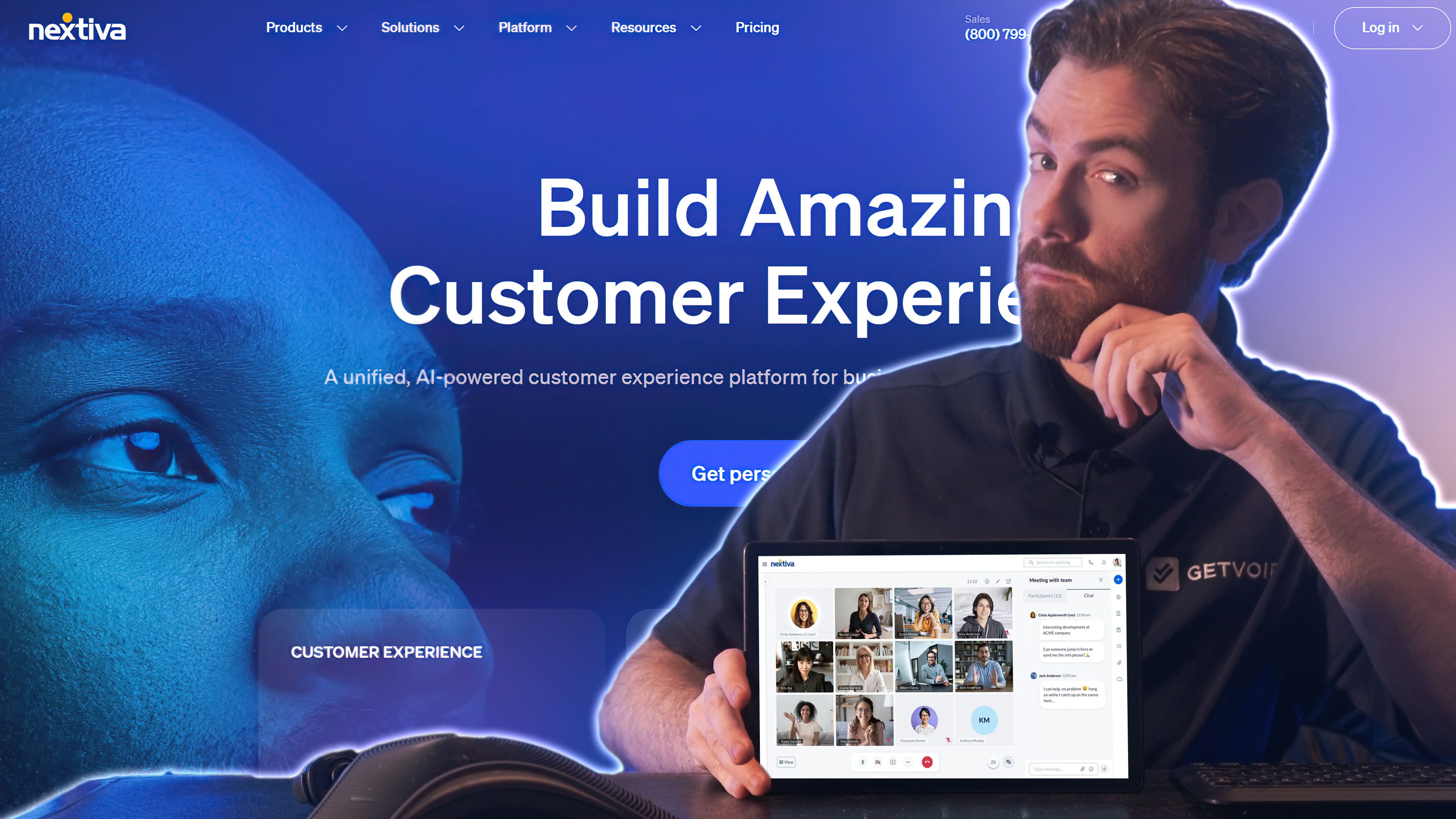
The Nextiva Customer Conversation Suite is a unified communications platform combining voice calling, SMS, unlimited online faxing, video calling, and extensive CRM integrations into one intuitive dashboard. It’s best known for its 99.999% uptime, 24/7 customer support, and business text messaging capabilities.
Add-on features like customizable reporting dashboards with real-time monitoring, intelligent virtual agents, and performance gamification tools provide scalability, increase agent productivity, and eliminate communication silos.
Nextiva Pricing
Nextiva pricing offers three UCaaS plans that range from $15 to $75 when charged annually. The Core plan includes VoIP calling, SMS, team chat, and video meetings. Higher-tier plans add call center features like queuing, toll-free numbers, and advanced reporting.
Check out our Nextiva pricing review to learn more.
What We Like About Nextiva
- Shared SMS Inbox: Shared text messaging inbox lets customers get quick answers and keeps support queues low, makes complete interaction history available to all call group members, and lets agents send documents, photos, videos, and other files to customers via desktop/mobile SMS
- Excellent customer support: All Nextiva plans include 24/7 access to chat, phone, and email support with a live agent–and we’ve had consistently excellent, efficient interactions with Nextiva’s customer support team
- Robust mobile app: Nextiva’s full-featured mobile app is ideal for on-the-go hybrid teams that need anytime, anywhere access to their business phone system and customer data
Where Nextiva Needs Improvement
- Call recording+voicemail: Nextiva only includes voice and video recording capabilities in its Engage and Scale Plans, real time transcription is only available on the Scale plan
- Low video participant cap: Nextiva offers a low maximum video meeting participant cap of 250 users and can only show 25 active video participants simultaneously–despite the platform’s claim of “unlimited” video conferencing
- Limited analytics: Though Nextiva’s Customer Conversation Suite claims to offer “Conversational Analytics” (which implies AI speech+text analytics), the Core plan only include basic call logs/call history, and the Engage plan adds AI insights from voice data –anything more requires an add-on
Who Should Use Nextiva?
- Small-to-medium hybrid call centers: Nextiva includes extensive voice calling and voice productivity features on all plans, making it the right fit for voice-first call centers needing remote user management, multi-location team presence updates, and smart call routing with custom call flows
- Teams that communicate with customers via SMS: Nextiva easily has some of the best business texting messaging features in the UCaaS space, including custom SMS routing, mix-and-match Message Pro pricing access, and unlimited monthly texting for an additional $15/user/month)
RingCentral: Best For AI Insights, Video, and Team Chat
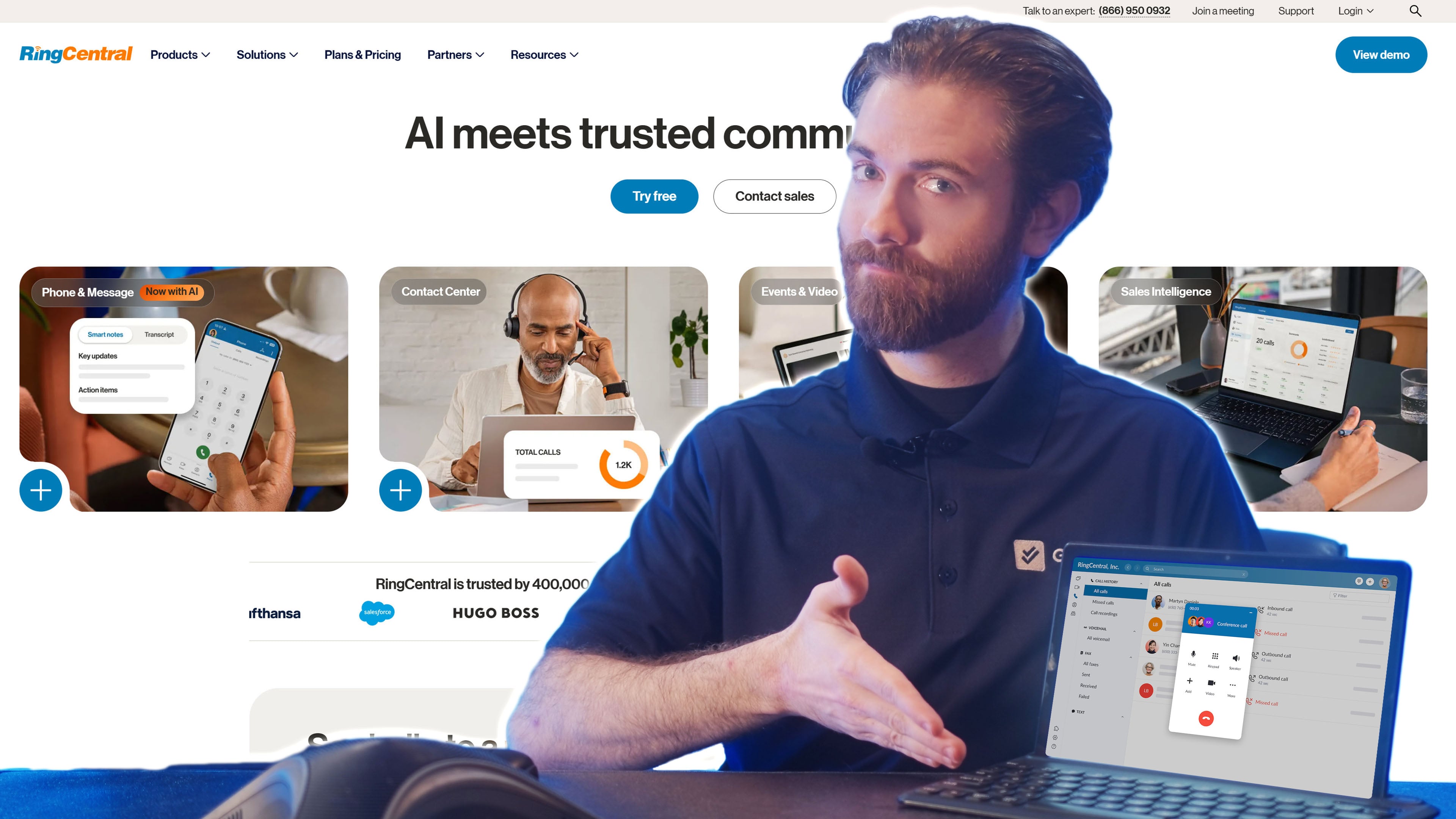
RingCentral RingEX is a smart unified communications platform with unlimited VoIP calling, video meetings, team chat, unlimited virtual faxing, and SMS/MMS.
It has a 99.999% uptime guarantee, provides 24/7 customer support for all users, and recently debuted a series of AI-powered features to increase agent efficiency and improve the customer experience.
RingCentral Pricing
RingCentral offers three RingEX plans that range from $20 to $35 monthly per user. The $20 plan starts with unlimited calling in the US, team chat, video conferencing, and IVR. The higher-tier plans add call monitoring, call recording, CRM integrations, and real-time business analytics.
Read our RingCentral pricing review for more information.
What We Like About RingCentral
- Advanced video meetings: RingCentral offers in-browser and app-based AI video conferencing for up to 300 participants, plus access to smart meeting features like in-meeting public/private chat, screen recording+remote screen control, whiteboards, breakout rooms, AI meeting summaries+transcripts with speaker differentiation, meeting recording, and collaborative note
- Personal AI Assistant: AI Receptionist (add-on feature) automatically transcribes and summarizes voice calls, takes smart call notes, creates action items, and highlights key conversation topics for every call
- High-level integrations: RingEX offers pre-built integrations with 300+ third-party applications including Salesforce, Zendesk, Hubspot, and ServiceNow–plus integration webinars for easy setup. Users can make calls directly in their CRM apps, view real-time CRM call pops, and benefit from two-way data syncing/automatic call logs
Where RingCentral Needs Improvement
- Call Quality: Users report inconsistent call quality and frequent dropped calls in the RingCentral desktop app–plus excessive software updates that slow down business processes
- Limited SMS: Although RingCentral Enhanced Business SMS is easy to set up and enables real-time, two-way communication between clients and agents, all RingEX plans have significantly lower number of included monthly text messages than competitors
Who Should Use RingCentral?
- SMBs needing advanced analytics: RingEx offers some of the most advanced analytics tools in the UCaaS space, including real-time ad historical interactive reports, custom KPIs, pre-built reporting templates, live QoS alerts, comparative analysis, report filtering, and meeting insights
- Call centers with extensive hardware needs: RingCentral hardware packages include Device as a Service (DaaS) options that bundle hardware and software solution, extensive BYOD compatibility, and RingCentral phones for rent or sale.
8x8: Best For International Teams Needing Collaboration Tools
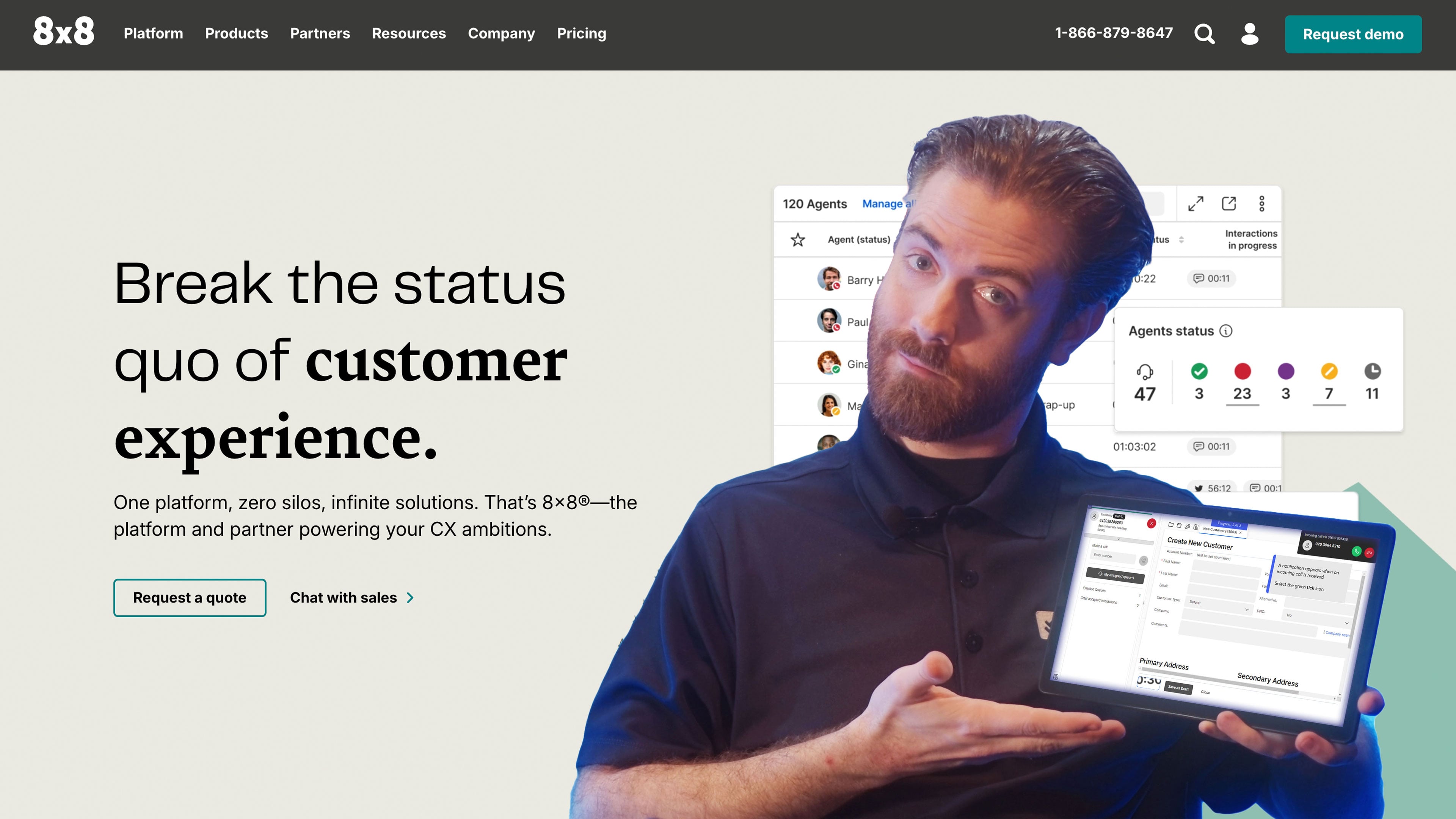
8x8 Unified Communications is an all-in-one voice, SMS, chat messaging, and audio/video conferencing solution best known for offering unlimited international calling.
In addition to unique features like anonymous meeting attendance and compatibility with 25+ PSTN carriers, 8x8 offers advanced security and support. A 99.999% uptime, 24/7 support, HIPAA compliance, and enterprise-grade security are included in all plans.
8x8 Pricing
8x8 offers four quote-based offerings: a unified communications (UCaaS) platform, a contact center solution, an AI-powered customer engagement platform, and APIs that can be used to build a custom system.
Read our 8x8 pricing guide to learn more.
What We Like About 8x8
- Feature-rich video conferencing: 8x8 offers HD video conferencing for up to 500 active participants on all plans– the highest included participant capacity out of all the providers on this list. During meetings, attendees can chat, share documents/files, use integrated whiteboards from 8x8’s Fuze partnership, take polls, emoji react in real-time, live stream to YouTube, and use breakout rooms
- Multi-level IVR: All 8x8 UCaaS plans include multi-level IVR with custom call flows, professionally recorded greetings, business hour routing, ring groups, advanced call routing options, and call queues (20 callers maximum). Other providers restrict these advanced call management capabilities to higher-tier plans or contact center solutions
Where 8x8 Needs Improvement
- Limited scalability, quote-based pricing: 8x8 only offers one unified communications plans, meaning it has the least possible scalability out of all of the providers mentioned here. Additionally, 8x8 offers only quote-based pricing, making it difficult to estimate the software’s overall value and affordability for smaller teams
- Lack of analytics: 8x8 UCaaS provides few reporting tools, restricting supervisor and call activity analytics to the contact center plans and requiring all users to pay extra for Conversation IQ quality management and speech analytics
Who Should Use 8x8?
- International teams: 8x8’s unlimited international calling to 48 countries (14 countries on the X2 plan) makes it the obvious first choice for global businesses and call centers with geographically diverse teams
- Remote/hybrid teams that host frequent video meetings: Remote or hybrid teams that rely on feature-rich video calls and in-meeting collaboration tools to keep agents on the same page will benefit from 8x8 UCaaS
Vonage: Best For Mobile Teams Prioritizing Mobile App

Vonage Business Communications (VBC) is a desktop and mobile UCaaS application with voice calling, SMS/MMS, video conferencing for up to 200 users, team chat, and file sharing. VBC offers 40+ VoIP voice calling features including its Never Miss A Call routing/forwarding tool, custom call tags, and call queues with up to 100 extensions.
Agents can use the Business Inbox to communicate with customers across SMS, MMS, and Facebook Messenger from their local or toll-free business phone number.
Vonage Pricing
Vonage Business Communication pricing offers three plans from $13.99 to $27.99 monthly per user when paid annually. The basic Mobile plan includes desktop and mobile apps with VoIP calling, SMS, basic IVR, and voicemail. Higher-tier plans add team messaging, video, and ring groups.
To learn more, see our Vonage pricing review.
What We Like About Vonage
- Network Reliability: Vonage offers a 99.999% uptime, multiple data centers for network redundancy, and conducts extensive application load/stress testing
- Affordable International Calling: Vonage Global Calling Plans let users call 85 countries for a fixed price with bundled international minutes ranging from $50 for 1,000 minutes to $9680 for 100,000 minutes
- HD Video: Vonage Full HD (FHD) video quality (available for recordings, meetings, and live streaming) has 2.5 times the resolution of standard HD video
Where Vonage Needs Improvement
- Poor Value: Vonage goes to great lengths to conceal that essential UC and phone system features are available only via paid add-ons, making the platform difficult to recommend to value-focused consumers. Case in point? Automatic call recording alone adds an additional $49.99/month to your bill, and online faxing adds another $14.99/month
- Limited Integrations: Vonage offers about 20 pre-built third-party integrations–and many of them require an additional fee
- High Early Termination Fees: Vonage charges early termination fees on annual contracts and users frequently complain about the difficulties of canceling their service
Who Should Use Vonage?
- Businesses with international customers: VBC International offers affordable, scalable bundles of international calling minutes to Tier 1 and Tier 2 countries. Local business phone numbers are available in 96 countries
- Mobile teams needing turnkey UCaaS functionality: While many other providers on this list have a complex and lengthy setup process, Vonage provides an out-of-the-box UCaaS solution with a clean, intuitive interface that shortens onboarding time–and a plan specifically for mobile-first users
GoTo Connect: Best For Multi-Location Teams

GoTo Connect is a modular UCaaS platform combining cloud VoIP, video meetings, SMS messaging, team chat, and contact center functionality into one solid single product. It is made for distributed teams, thanks to its intuitive admin dashboard, global device provisioning features, and seamless remote workforce management.
GoTo Connect even includes advanced call routing tools like ring groups, dial plans, auto attendants, and call queues within its plans. Businesses with multiple departments or locations should look to GoTo Connect for their needs.
GoTo Connect Key Features
- Cloud calling, team messaging, and video conferencing
- Built-in call routing, auto attendants, and call queues
- Admin portal with easy device and location management
- Bundled with GoTo Meeting and mobile apps
- Visual dial plan editor
GoTo Connect Pricing
GoTo Connect offers four quote-based plans with a 14-day free trial. All plans include core VoIP and UCaaS features, with optional add-ons like AI Receptionist and Attendant Console. Higher-tier offerings expand functionality with omnichannel support, CRM integrations, advanced analytics, and full contact center capabilities including AI tools and agent monitoring.
Custom pricing is based on your business needs. Visit our GoTo Connect pricing overview to see which solution fits best.
What We Like About GoTo Connect
- Global device provisioning: IT teams can configure and deploy phones across multiple locations from a central dashboard
- Custom call routing: Dial plan editor and multi-level auto attendants offer granular control over inbound calls
- Strong reliability: 99.999% uptime SLA, failover support, and QoS optimization for voice and video
Where GoTo Connect Needs Improvement
- Video conferencing capacity: Current GoTo Connect plans limit video meetings to 250 participants, which may be too restrictive for hybrid teams
- Limited integrations: While GoTo offers core integrations, the marketplace isn’t as robust as competitors like RingCentral
Who Should Use GoTo Connect?
- Businesses with distributed or hybrid teams: GoTo Connect’s unified platform makes it easy to manage phone, video, and chat communications from anywhere, with user-friendly apps for desktop and mobile
- Organizations seeking customizable scalability: With quote-based plans and optional AI add-ons, GoTo Connect fits a small business’ VoIP needs or a full-featured contact center’s demands
Dialpad: Best For AI-Powered Teams
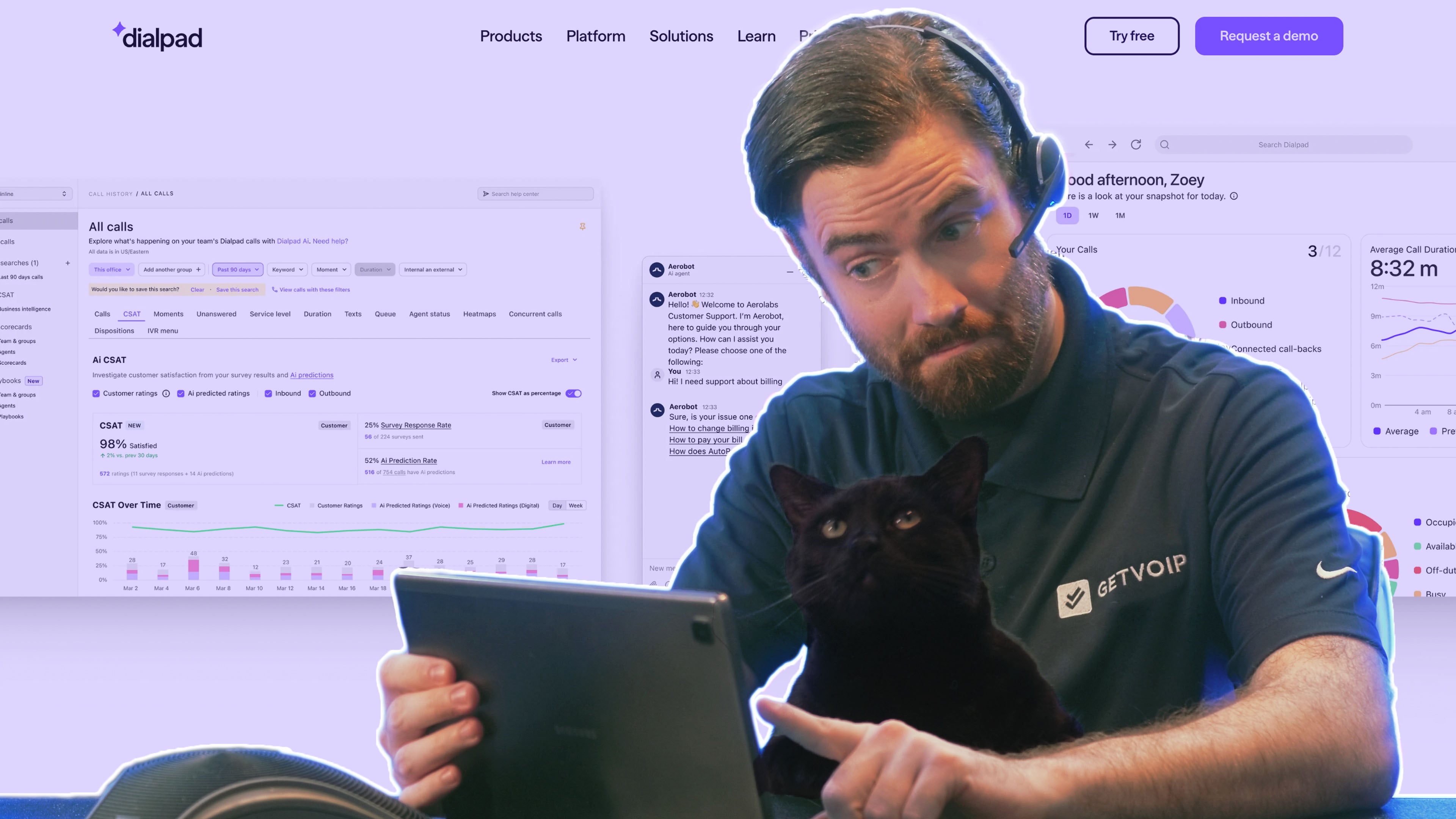
Dialpad is a UCaaS and AI contact center solution centered around its proprietary AI engine, Dialpad Ai, which provides real-time transcriptions, live coaching, sentiment analysis, and post-call summaries in all plan offerings.
It’s a top choice for businesses prioritizing conversational intelligence, especially mobile teams that rely on texting and calling over an app from asynchronous locations and time zones.
Dialpad Key Features
- AI-powered transcription, call summaries, and live coaching
- Business VoIP, SMS/MMS, video meetings, and voicemail
- Seamless integration with Google Workspace and Microsoft 365
- Analytics dashboard with live call insights
- Strong mobile and desktop apps
Dialpad Pricing
Dialpad has three paid plans starting at $15 per user, per month. All plans include unlimited calling and texting in the U.S. and Canada, voicemail transcription, real-time AI call transcriptions, and productivity integrations. Higher tiers add CRM integrations, global number support, advanced analytics, and enterprise-grade admin tools.
Custom pricing is available for large teams with advanced needs. Explore our full Dialpad pricing breakdown to compare features across plans.
What We Like About Dialpad
- AI features on all plans: Real-time coaching, call summaries, and transcription help reduce manual admin tasks and boost agent productivity
- Easy mobile-first design: The desktop and mobile apps are lightweight, modern, and simple for users to pick up without much training or oversight
- Built-in SMS/MMS messaging: All plans include unlimited business texting within the U.S. and Canada
Where Dialpad Needs Improvement
- International calling limitations: International calling requires separate add-ons, and calling costs vary widely by country
- Limited third-party integrations: Compared to competitors like RingCentral or Nextiva, Dialpad’s ecosystem is still growing
Who Should Use Dialpad?
- Startups and small businesses who want voice intelligence: Dialpad’s AI tools provide real-time call transcriptions, sentiment analysis, and live agent coaching without requiring third-party integrations
- Teams working on the go: Dialpad’s mobile app mirrors the desktop experience and offers full functionality, making it ideal for teams that take calls and collaborate from anywhere
Quo: Best for Startups and Solo Teams
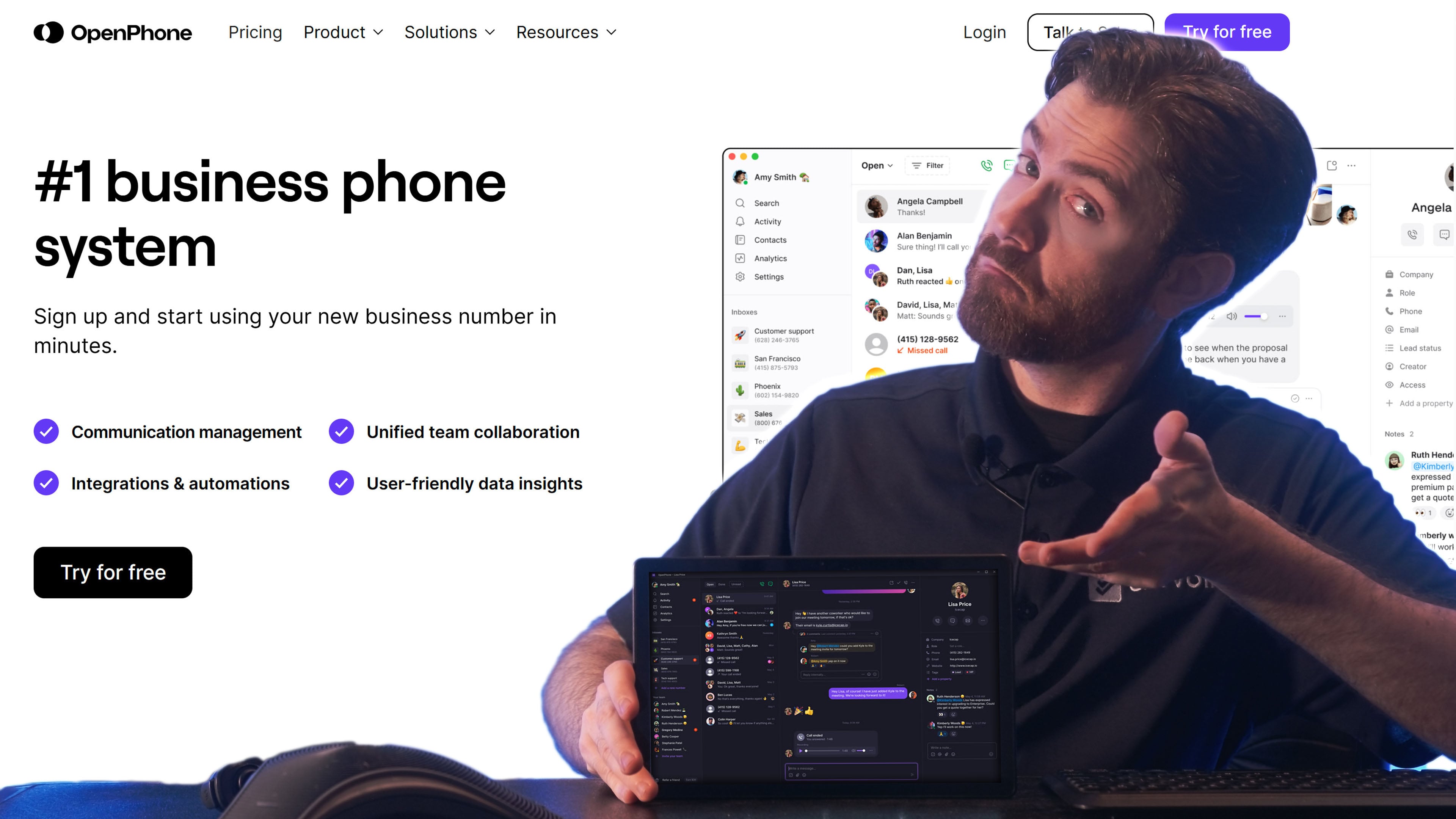
Quo (formerly OpenPhone) is a lightweight business phone system built for startups, remote freelancers, and small teams needing a modern alternative to Google Voice. It merges calling, SMS/MMS, voicemail transcription, and contact management into a single app with Slack-style design and shared inbox functionality.
Quo Key Features
- VoIP calling, texting, and voicemail with shared inbox
- Auto-replies, call routing, and custom call flows
- CRM-lite capabilities with contact notes and tags
- Seamless integration with Slack, HubSpot, and Zapier
- Designed for solopreneurs and small teams
Quo Pricing
Quo offers three paid plans ranging from $15 to $35 per user, per month, with a 7-day free trial. All plans include unlimited calling and texting in the U.S. and Canada, voicemail transcription, shared numbers, and basic integrations. Upgraded tiers unlock features like call recording, analytics, IVR, CRM integrations, and API access.
You can also add Sona, Quo's always-on AI agent, for $49/month for 100 calls (additional calls billed at $0.65 each). Check out our full Quo pricing guide to see which plan fits your business best.
What We Like About Quo
- Shared inboxes and collaborative SMS: Team members can reply to customer messages as a team, avoiding duplicate responses or missed texts for full coverage
- Modern interface: Clean, intuitive UI is easy for less tech-savvy users to navigate
- Affordable and transparent pricing: Especially attractive for startups needing reliable business communication without a heavy footprint or price tag
Where Quo Needs Improvement
- Limited voice features: Lacks advanced call center tools like call queues and supervisor controls
- Minimal integrations: Only about a dozen CRM and productivity tools are supported natively, and many of them are only included in upper-tiered plans
Who Should Use Quo?
- Solopreneurs and small teams looking for a low-cost phone system: Quo's affordable pricing, shared inbox, and Slack and Hubspot integrations make it perfect for early-stage businesses
- Teams managing customer contact via SMS: With auto-replies, call recording, and business texting in one clean interface, Quo is ideal for client communication without the complexity of legacy UCaaS
Cisco Webex: Best for Security-Focused Enterprises
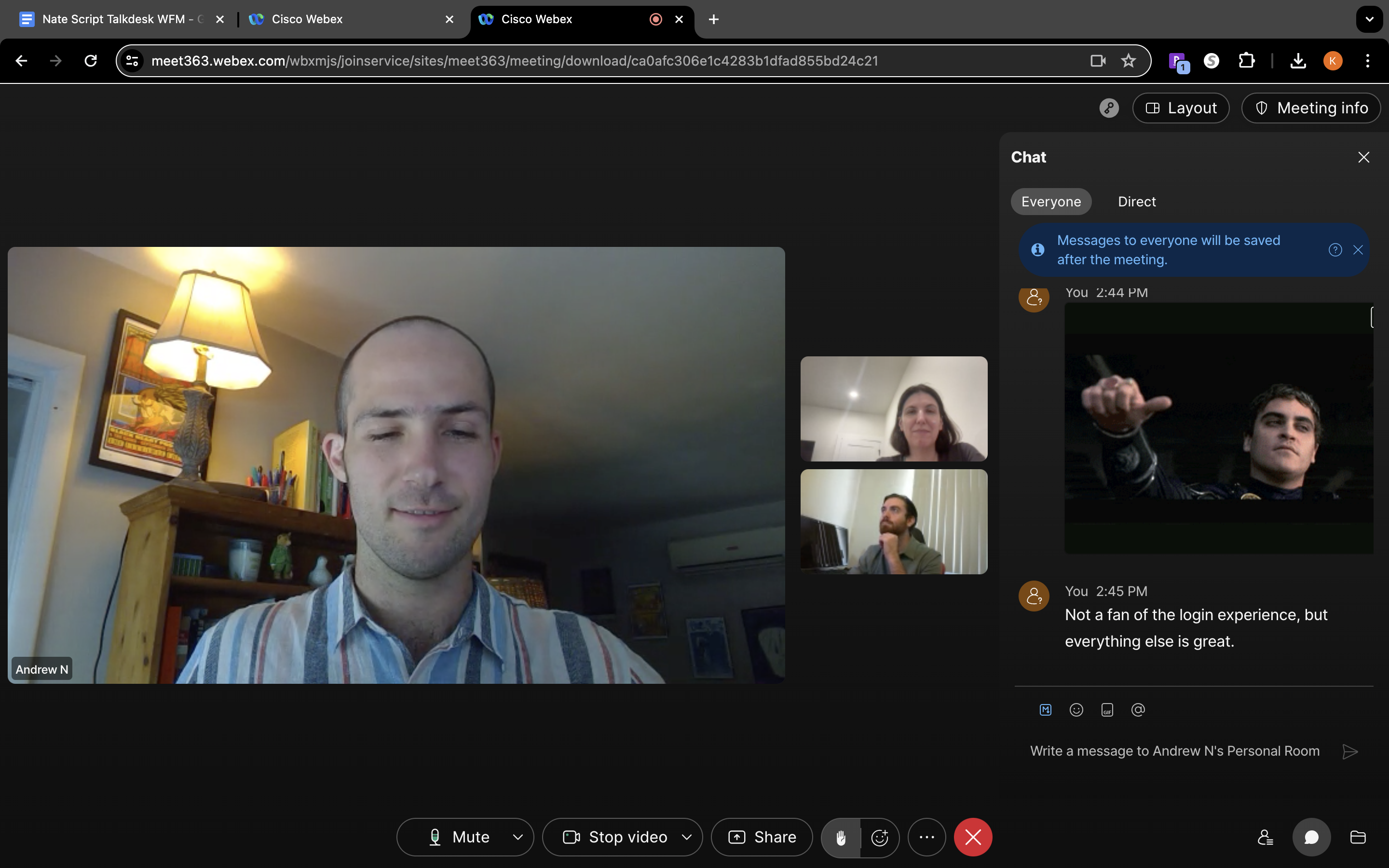
Cisco Webex is a world-class UCaaS platform designed for enterprise teams prioritizing security, scalability, and advanced collaboration. It combines VoIP calling, HD video meetings, team messaging, whiteboarding, and file sharing with Cisco’s renowned network and device management tools.
Cisco Webex Key Features
- Secure VoIP, video conferencing, and team messaging
- Cloud calling with voicemail, call routing, and call recording
- FedRAMP-authorized and end-to-end encryption
- Integrates with Microsoft, Google, Salesforce
- Advanced admin tools and analytics for granular control and oversight
Cisco Webex Pricing
Cisco Webex offers tiered calling and collaboration plans, with full UCaaS pricing typically quote-based. A freemium option is available, including unlimited meetings up to 40 minutes for up to 100 participants. Paid plans start at $12 per user, per month, and add features like VoIP calling, cloud recording, and third-party integrations. Enterprise plans support up to 1,000 participants and include advanced security and compliance. Webex calling plans range from $15.30-$22.50 and up.
Custom pricing is available for larger deployments. Visit our Webex pricing overview to find the best option for your organization.
What We Like About Cisco Webex
- Enterprise-grade security: End-to-end encryption, FedRAMP certified service for eligible customers, support for HIPAA compliant use, and granular access controls
- Best for Cisco Hardware ecosystem: Seamless integration with Cisco devices for voice and video, ideal for hybrid conference rooms
- AI-powered collaboration: Includes AI meeting summaries, noise cancellation, and gesture recognition
Where Cisco Webex Needs Improvement
- Complex deployment: Deployment and admin setup are more technical than other providers, they are best suited for IT-managed environments
- Highest cost of entry: Most full-featured plans are quote-based and enterprise-level, with fewer options for SMBs
Who Should Use Cisco Webex?
- Large enterprises needing maximum security: Webex offers end-to-end encryption, compliance certifications (HIPAA, FedRAMP), and enterprise-grade admin controls
- Organizations with complex meeting needs: With customizable video layouts, AI-powered meeting summaries, and real-time translations, Webex supports global collaboration in a way that other platforms cannot match
Microsoft Teams: Best For Remote and Digital Communication Teams
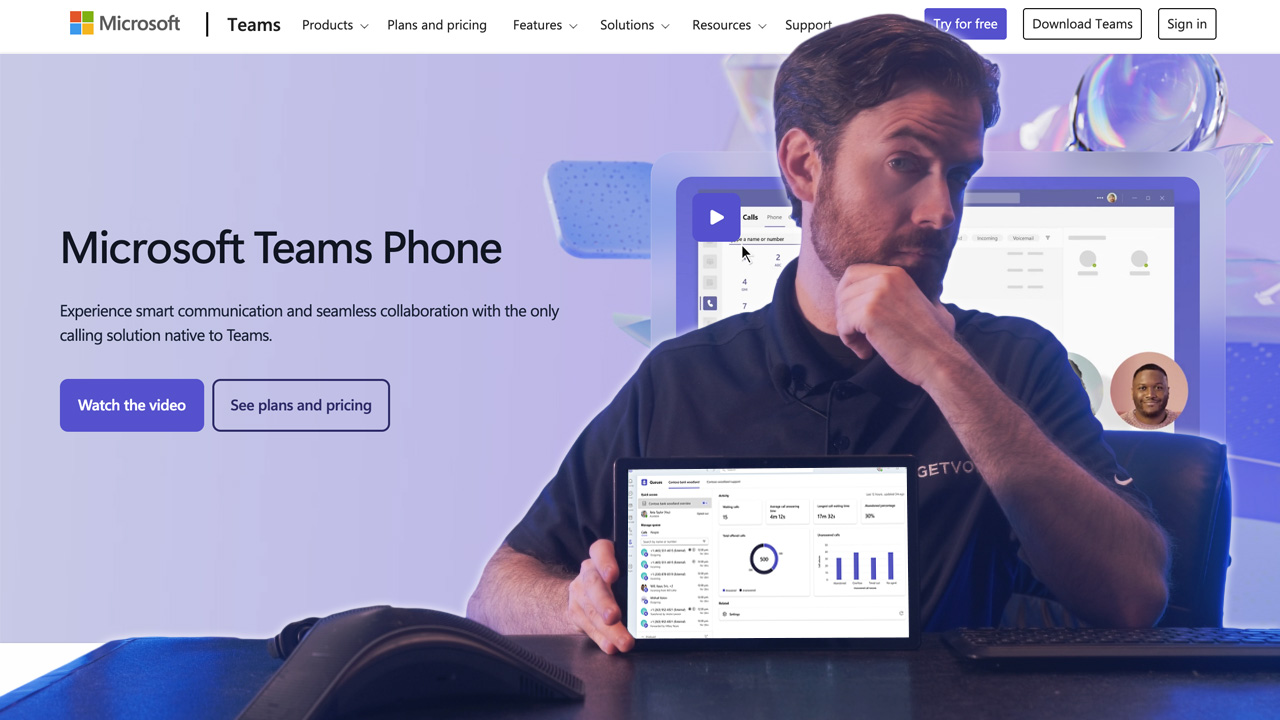
Microsoft Teams is a UCaaS platform with a focus on team collaboration. MS Teams can be purchased as a standalone tool but it works best in conjunction with other Microsoft products such as Office 365 and CoPilot. Popular Microsoft apps such as Powerpoint, Excel, Word, and Outlook are included in the Business Basic and Business Standard plans. MS Teams offers a number of cutting edge video conferencing features such as avatars, immersive spaces, and live captioning in 30 languages.
Microsoft Teams Key Features
- Data encryption for meetings, chats, calls and files
- High participant cap of 300 for all plans
- Custom business email included in the Business Basic plan
- Automatic spam and malware filtering
- Web-based video editing tools with Microsoft ClipChamp
Microsoft Teams Pricing
Microsoft Teams offers three business plans ranging from $4-$23.50 monthly per user. All plans include online meetings (video and calling), secure storage, ad-free email and calendar with Outlook, and AI chat. The Business Basic plan adds on SharePoint, captioning in multiple languages, and breakout rooms. The Business Standard plan adds on video editing tools and Microsoft Copilot- an agentic AI Agent.
Teams Phone add-on plans range from $10-$34 monthly, per user when paid annually.
What We Like About Microsoft Teams
- Microsoft Copilot: This AI Agent is able to summarize meetings, track who spoke and list action items so that you stay organized and its included in the Business Standard plan
- Affordable pricing: MS Teams for Business starts at just $7 monthly per user, but there are even cheaper plans for individuals and there is a free version as well
- Security: MS Teams offers enterprise-grade data encryption, spam filtering, and advanced identity and access management
Where Microsoft teams Needs Improvement
- Limited voice features: MS Teams is built around its video conferencing platform so it is limited when it comes to contact center features compared to competitors
- Steep learning curve: For those unfamiliar with Microsoft products, onboardong and training may take considerable time
Who Should Use Microsoft Teams?
- Businesses already using Microsoft: MS Teams fits seamlessly within the Microsoft ecosystem alongside Word, Excel, Outlook, and Powerpoint
- Remote and Hybrid teams: MS teams offers a number of ways for remote teams to stay on the same page such as screen sharing, breakout rooms, and collaborative documents
How to Choose the Right UCaaS Provider
There’s no one right way to choose your best UCaaS provider, you will have to take the following considerations as you navigate through different compelling options:
- Business Size and Scalability: Be sure to pick a platform that can grow and scale with your teams whether it’s just you as a solopreneur or your enterprise-size operation
- Core Features and Integrations: Not all providers offer the same level of integrations or feature sets that you’ll need on a daily basis, ensure that your UCaaS system plays nice with your existing CRM and helpdesk systems
- User Experience and Mobility: If you plan to have a team on the go, they’ll need easy-to-use and mobile friendly interfaces
- Reliability and Security: Consider each service’s uptime guarantees, data encryption, and industry regulatory compliance rations (some do not meet HIPAA or FedRAMP’s requirements)
- Customer Support: The last thing you want is a service with poor customer service ratings who cannot meet your requirements or resolve issues on your time, if they fail, your customer service teams fail, and no one’s happy
FAQs
UCaaS pricing generally ranges anywhere from $20.00/user per month to $45.00/user per month.
Prices of UCaaS systems vary greatly based on the number of licenses, kinds of features, and provider chosen.
Providers are often less transparent about UCaaS pricing than they are about other business software and solutions. In many cases, you'll need to contact the provider directly to ensure an accurate quote.
Every UCaaS solution should include the following six functions:
- VoIP Voice Calling
- Web Conferencing (audio and video)
- Internal Instant Team Chat Messaging
- Cloud-based hosting
- Flexibility and Mobile Communications
- Unified Communication Interface
The most important UCaaS features include:
- Unlimited voice calling
- Voicemail-to-text and email
- Call forwarding, call park, call routing call waiting
- Third-party software integration
- File sharing and co-editing
- IVR and virtual receptionist
- Instant video meeting feature
- Call analytics
- Call recording
- SMS and faxing
- Employee presence/status
The difference between UCaaS and CCaaS is that UCaaS (Unified Communication as a Service) is mainly focused on improving internal business communication between team members, while CCaaS (Contact Center as a Service) focuses primarily on customer communication.
Both UCaaS and CCaaS may have features that improve internal and external communication.
However, CCaaS is centered on finding opportunities to improve customer service and the overall outward-facing customer experience; while UCaaS looks for ways to simplify and streamline internal communication between individual agents and departments.