
Conversational marketing engages customers in a real conversation the second a potential customer flags interest in your product. It goes beyond putting a form in front of someone, hoping they fill it out so you can follow up later. Conversational marketing is proactive, not passive.
In this guide, we’ll cover what conversational marketing is, how it works and the conversational AI technologies powering it to deliver you results.
What Is Conversational Marketing?
Conversational marketing is a dialogue-driven approach to engaging customers and prospects in real time. Whether that’s through live chat, chatbots, or messaging, it goes beyond static forms and the delayed follow-ups customers are used to. People buy faster when they can get answers from you faster, so removing the friction between a question and an answer accelerates the buying process.
Traditional lead capture and conversational marketing couldn’t be any more different. A standard landing page only asks visitors to hand over contact details in exchange for the chance someone will eventually get back to them. Conversational marketing sidesteps this and kickstarts a conversation in the moment to keep your prospect engaged and their intent high.
While it’s not a replacement for your broader marketing strategy, it is a strong layer that makes moments of interest from customers more conductive. There’s underlying conversational AI technologies that drive these conversations forward.
Conversational Marketing vs. Traditional Marketing
The difference is not just about speed but rather the nature of the interactions behind these two types of marketing. Here’s a quick comparison:
| Traditional Marketing | Conversational Marketing | |
| Communication style | One-to-many broadcast | One-to-one dialogue |
| Response time | Hours to days | Immediate |
| Lead capture | Static forms | Real-time conversation |
| Personalization | Segment-level | Individual |
| Data captured | Contact details | Intent, pain points, language |
| Buyer experience | Passive, interrupted | Active, on-demand |
Traditional marketing can be great for reaching a lot of people, but conversational marketing is more effective at converting the ones who’ve signaled interest.
Conversational Marketing vs. Inbound Marketing
Inbound marketing refers to the broader strategy where you court potential customers and clients through well-made content, SEO, and useful resources rather than bombarding them with outbound campaigns. Conversational marketing is a tactic that works within the confines of that strategy.
Inbound marketing gets someone to your pricing page. Conversational marketing is what happens when they arrive. The two work together, and organizations that invest in inbound without also investing in conversational marketing are often leaving conversions on the table at the final step.
How Conversational Marketing Works: The 3-Step Framework
The framework behind conversational marketing cuts the process down into three stages: engage, understand, and recommend. Below we cover the three steps that form the foundation behind your effective conversational marketing strategy:
Engage: Initiating Real-Time Conversations
The first step is starting the conversation before the visitor leaves. That means proactive chat triggers, personalized welcome messages, and replacing passive form fields with an immediate invitation to talk.
A well-designed engagement step accounts for context. A visitor on your pricing page is in a different mindset than someone reading a blog post. The message that appears, the timing of when it appears, and the question it leads with should all reflect where that person is in their journey. A generic "how can I help you today?" on a high-intent page is a missed opportunity. A specific prompt like "comparing options? I can walk you through how this works in about two minutes" speaks directly to what that visitor is likely thinking.
Understand: Qualifying and Learning Intent
Once the conversation is open, the goal shifts to understanding what the person actually needs. This is where qualifying questions do their work. Is this person a good fit for your product? Are they early in their research or ready to buy? Do they need to talk to a sales rep or can they self-serve?
The understanding stage also produces something valuable beyond lead qualification. Chat logs from real conversations reveal the exact language your customers use to describe their problems, the objections that come up repeatedly, and the questions that indicate high purchase intent. That data has direct applications for your content strategy, your sales messaging, and your ad copy. It is first-party voice-of-customer research that happens as a byproduct of every conversation your system handles.
Recommend: Routing to the Right Next Step
The final step is converting what you have learned to better direct your prospect somewhere useful. That might entail booking a meeting directly in a sales rep's calendar or pointing them to a relevant case study. With your data, you might send them off to start a free trial or hand the conversation off to a live agent for a more complex discussion about their needs.
The routing logic here matters more than most teams realize. A bot that qualifies a high-intent enterprise prospect and then sends them a link to a help article has done the first two steps well and fumbled the third. The recommendation needs to match the intent that was just felt.
Key Channels for Conversational Marketing
Conversational marketing is a multimodal process. It runs wherever your customers are already communicating, and the best strategies meet people in more than one place.
Website Chatbots and Live Chat
A chatbot on your website will take on the majority of incoming conversations automatically, qualifying visitors, answering common questions, and booking meetings without requiring a human to be available. For complex or high-value interactions, the bot will know when to a live agent with the full conversation context ready to go.
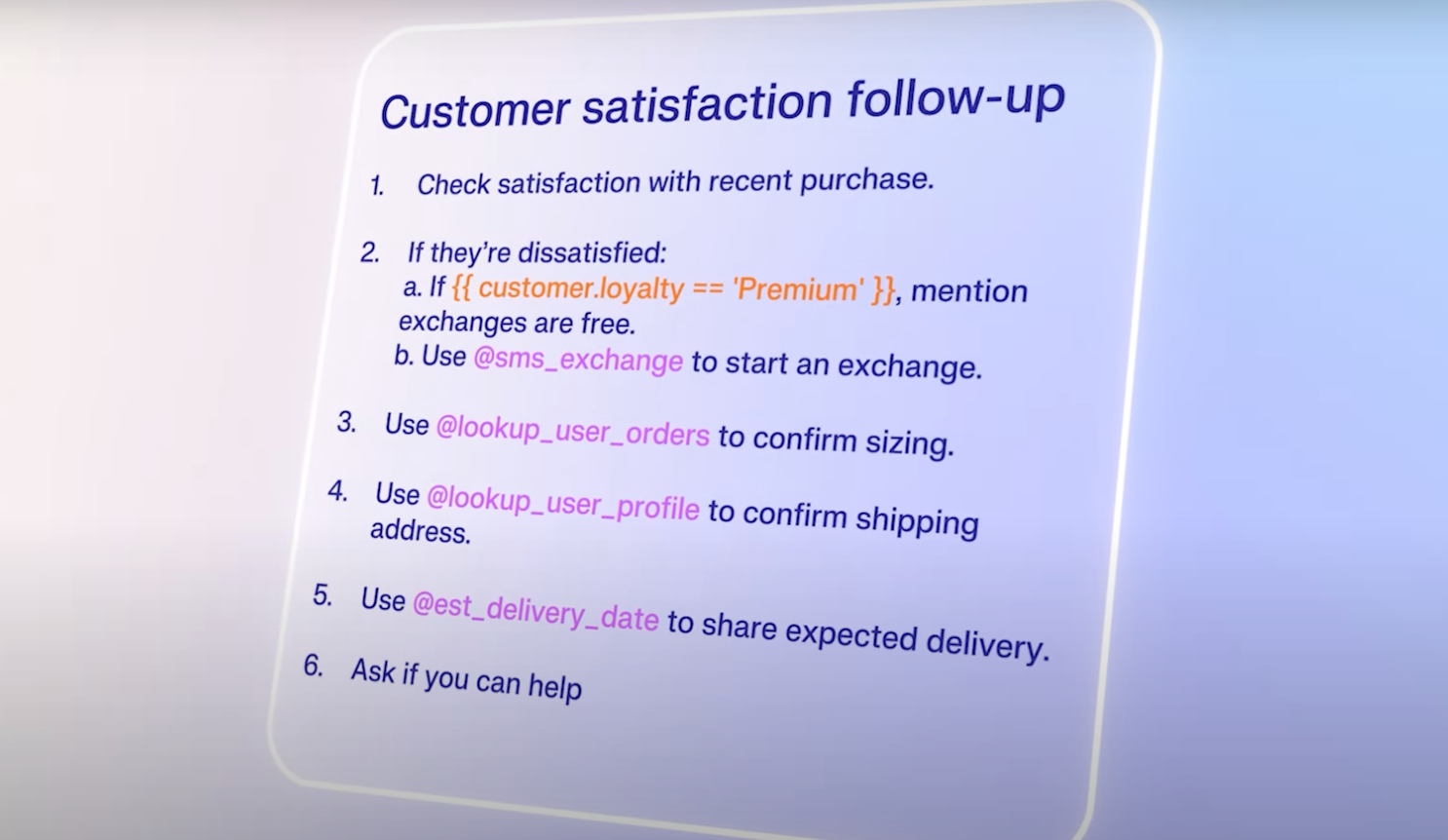
The AI powering these chatbots has improved significantly. Modern systems go well beyond keyword matching and scripted decision trees. If you want to understand the difference between what a chatbot and what a conversational AI can do, our chatbots vs conversational AI comparison clears that up. In short, AI-driven systems work with more variation in how people phrase things, retain context across conversations, and improve continually in ways that rule-based systems simply cannot.
Messaging Apps: WhatsApp, Facebook Messenger, Instagram DMs
Meeting customers where they spend most of their time is always a straightforward win marketing-wise. These days, most people spend a significant amount of time on messaging apps. WhatsApp Business, in particular, has become a player in conversational marketing. Notably this applies to brands with international audiences. Due to the familiarity of the interface, friction is considerably cut compared to a custom chat widget.
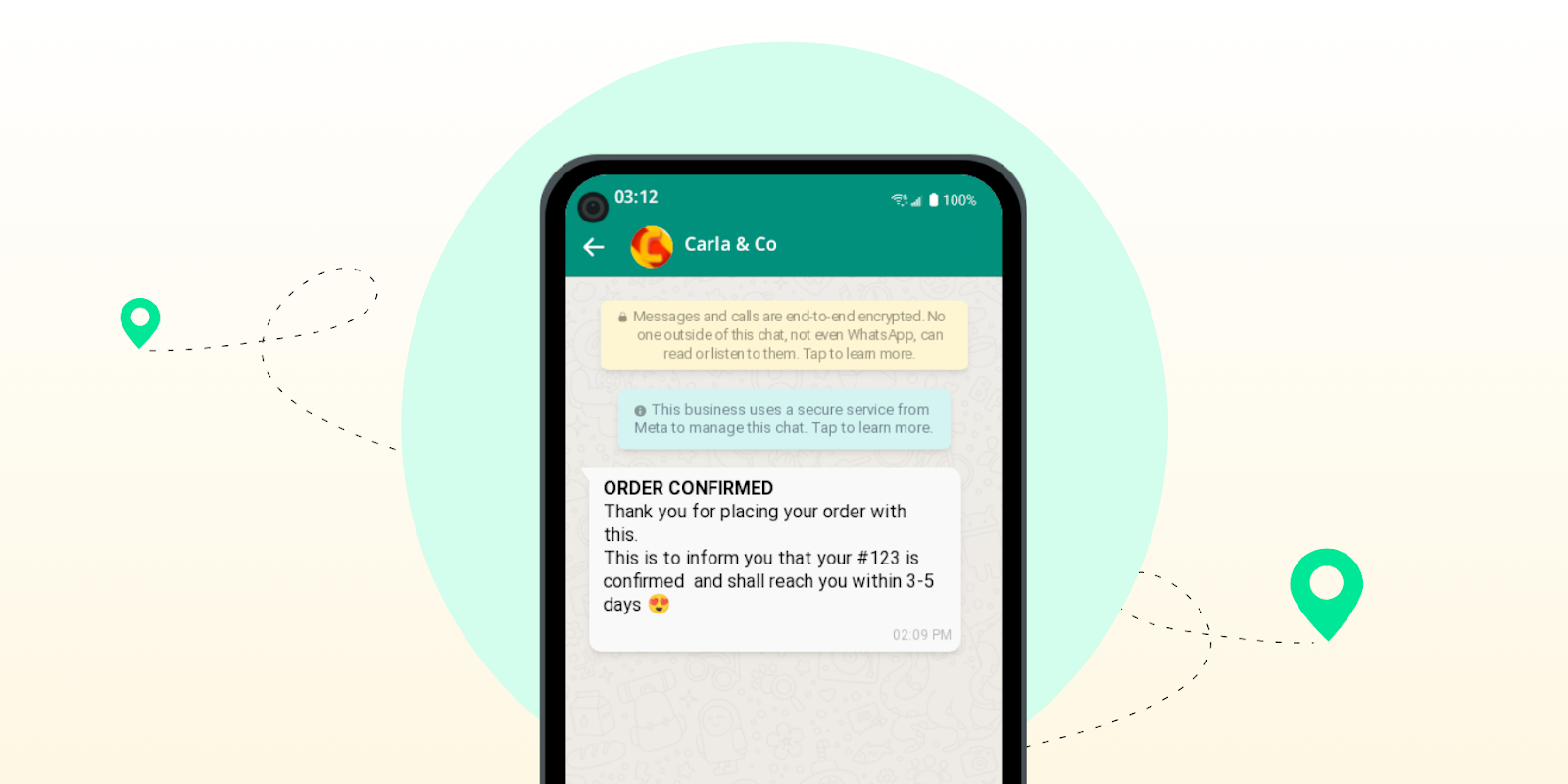
Social DMs through Instagram and Facebook Messenger serve a similar function for brands with strong social presences. Customers discovering brands through social content with questions often reach out directly through the platform rather than heading over to a website. Having a conversational marketing system active in relevant channels ensures that moments of interest do not go unanswered.
SMS and Email Conversations
Two-way SMS campaigns where responses are invited versus just broadcasting a message sit in conversational marketing territory. When someone texts back a question and gets an immediate, relevant reply, that interaction builds more trust than a one-way promotional message ever could.

Email deserves a mention here too. Conversational email sequences that ask a question and respond meaningfully to the reply, rather than just sending the next email in a pre-written drip series regardless of what the recipient does, are a more sophisticated version of the same principle.
Voice Assistants
Voice can be an overlooked channel for conversational marketing. Say a customer asks their Alexa or Google Assistant about a product category or a local business, that signals intent that brands can be present for. Voice commerce is actively developing, but customer service and support applications through voice assistants is already happening.
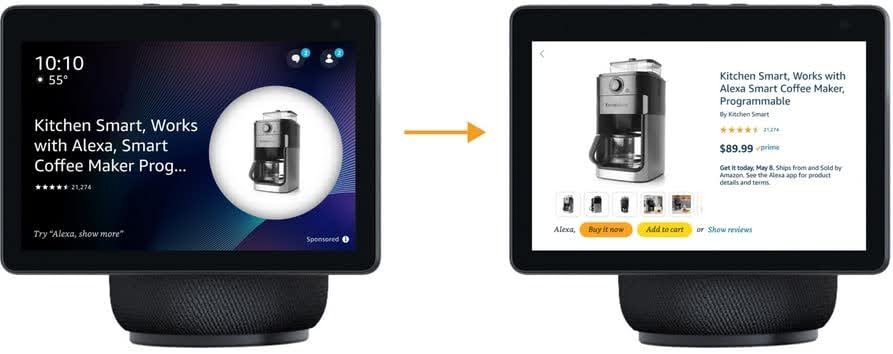
The same principles of immediate engagement and helpful routing apply regardless of whether the input is typed, clicked, or spoken. The goal is a compressed sales cycle where the gap between interest and next step shrinks from days to minutes.
Benefits of Conversational Marketing
Conversational marketing can pay off in a range of ways whether that's higher conversion rates, better customer experiences, or deriving better first-party insights. Below, we cover some of the core benefits to developing a conversational marketing strategy:
Higher Conversion Rates Through Instant Engagement
The relationship between response time and conversion rate is notable in the realm of sales and marketing. By responding to an inbound lead within five minutes versus say waiting thirty minutes or longer, you produce drastically different conversion outcomes. Conversational marketing addresses this by eliminating any unnecessary wait times, making for a more instant experience.
When a visitor can get an answer to their question in the moment they are most interested, without filling out a form and waiting for an email, the barrier between interest and action drops significantly. For high-intent pages like pricing or demo request pages, that friction reduction has a direct impact on how many visitors actually become leads.
Improved Customer Experience and Satisfaction
Nobody enjoys filling out a form and waiting. The conversational model forges a better experience for the person on the other end of it. Prospective customers get answers faster, feel the interaction as more personal, and don't get left wondering whether their request was ever received.
The 24/7 availability that AI-powered conversational marketing enables matters here too. Customer interest does not follow business hours. A visitor at 11 p.m. on a Sunday who gets an immediate, helpful response has a fundamentally different experience than one who submits a form and waits until Monday morning. Multimodal conversational AI plays a part in cutting friction by letting customers start conversations over text and finish them off via voice call.
Better First-Party Data and Customer Insights
Forms capture contact details. Conversations capture intent, language, objections, and context. That distinction has become more commercially significant as third-party data has become less reliable and more restricted.
Every conversation your system handles is a data point about what your customers are thinking, what language they use to describe their problems, and where they get stuck in the buying process. Aggregated across hundreds or thousands of conversations, that is a better look at your market that surveys and analytics dashboards cannot replicate.
Accelerated Sales Cycles and Increased Efficiency
Sales teams can benefit from conversational marketing as it compresses the timeline between initial interest and a qualified meeting on the calendar. A prospect who would have submitted a form on a Tuesday, received an email on Wednesday, and scheduled a call for Friday can instead book directly from a chat window on Tuesday afternoon.
The efficiency argument is equally strong. AI-powered systems handle routine qualification and FAQ responses at scale without requiring a human for every interaction. Small teams can manage conversation volume that would otherwise require significantly more headcount, which changes the unit economics of inbound marketing considerably.
Conversational Marketing Examples
Conversational marketing already shapes how companies use to engage with their customer bases and generate sales or leads. Below, we cover three ubiquitous ways customers already responding to:
Lead Qualification and Meeting Booking
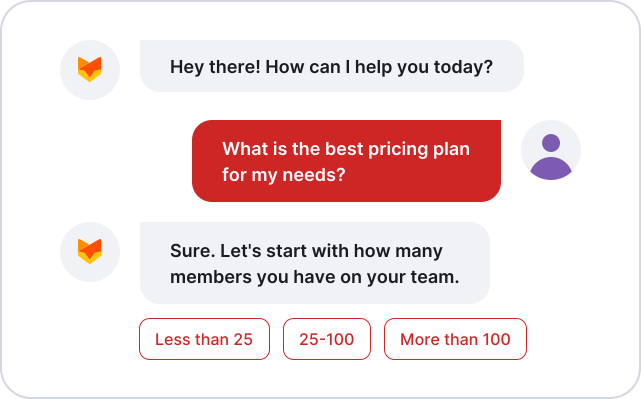
Say a software company places a chatbot on its pricing page. That way when visitors arrive, the bot can ask up to three qualifying questions about company size, current tools, and timeline. If any of the answers meet a threshold for sales conversation, the bot will offer up ways to book a demo directly. The visitor then gets to pick a time and your rep receives a briefing with the full conversation context before the call. No form, no follow-up email, no scheduling back-and-forth.
E-Commerce Product Recommendations
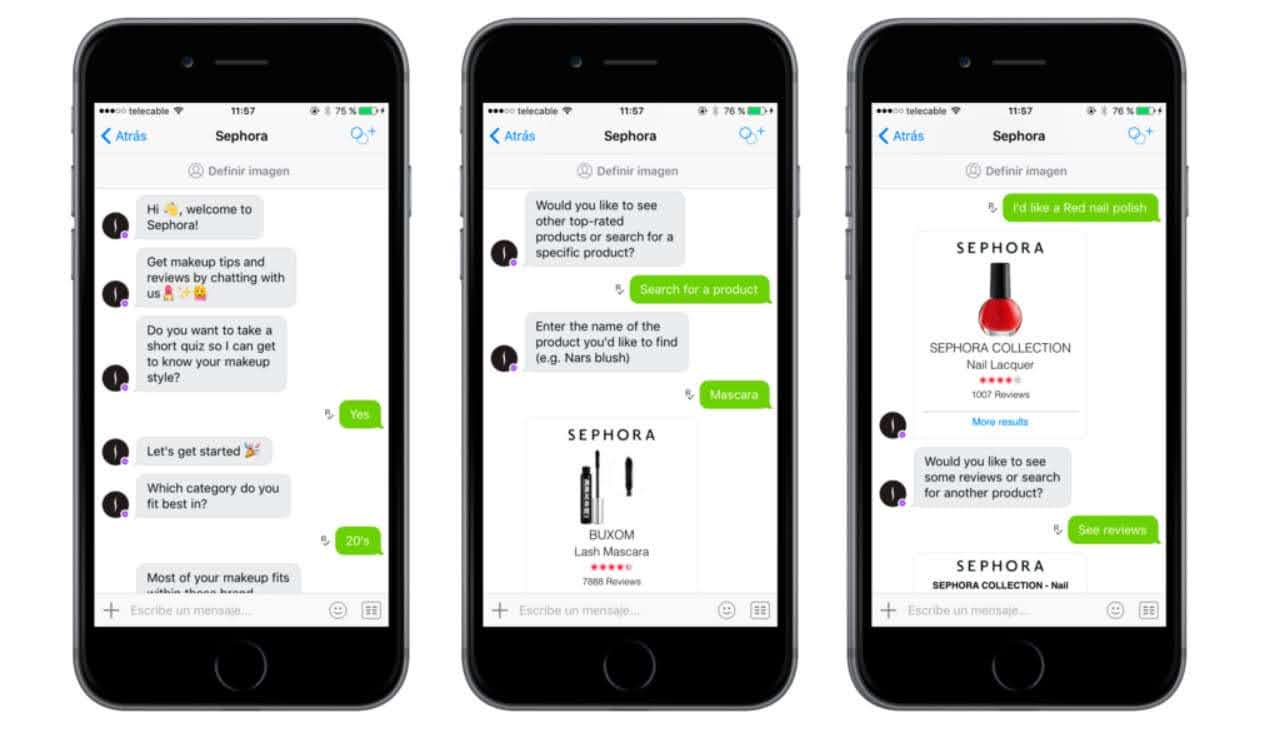
Brands often now deploy chatbots to serve as a shopping assistant. Visitors who are unsure which product is right for them now just answer a few questions about their needs. With that data, the bot can recommend two or three specific recommendations with brief descriptions of why each might be a worthy buy. The interaction takes over the search-and-filter experience that many visitors find frustrating, surfacing products that the visitor might not have found independently.
Customer Support and FAQ Automation
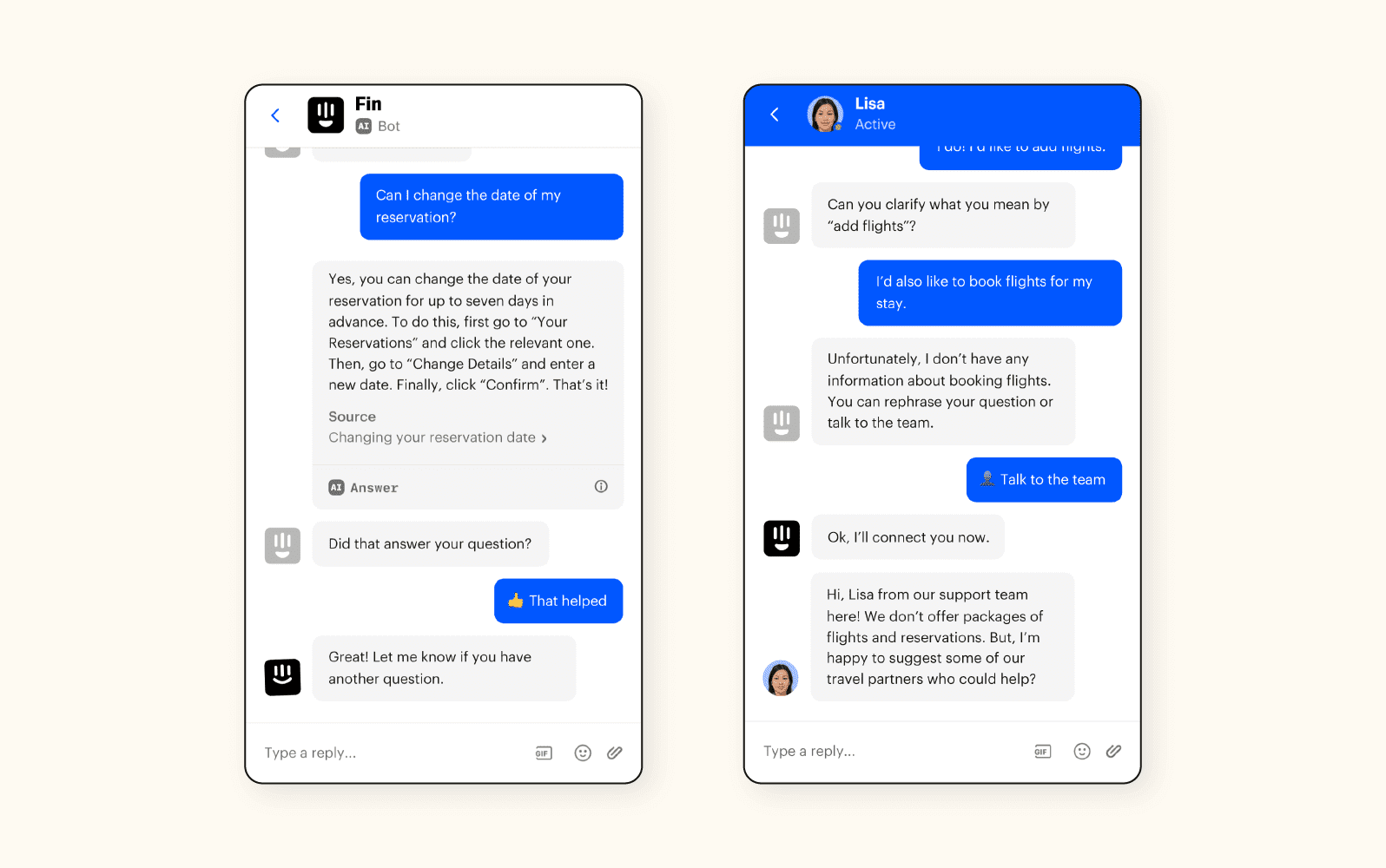
A B2B platform handles the majority of its incoming support requests through a conversational AI platform that understands natural language questions rather than requiring users to navigate a help center. Common questions get immediate answers. More complex issues get escalated to a human agent with the conversation already documented. Support volume handled without a human agent increases, and the human team focuses on issues that actually need their expertise.
How to Build a Conversational Marketing Strategy
Building a viable conversational marketing strategy often means defining any relevant goals, designing the right flows or questions, and selecting any tools or channels your business may need. Below, we briefly touch on these steps:
Define Goals and Identify High-Intent Pages
The thought process should start with where you feel customers gravitate towards without much thought. Pricing pages, demo request pages, and product comparison pages draw in visitors already evaluating their options. These are the places where a real-time conversation can most directly influence a decision. Start there before expanding to lower-intent pages.
Be specific about what success looks to your operation. Are you trying to increase demo bookings, slash form abandonment rates, or improve support deflection rates? All three? Discrete goals lead to different conversation designs and different metrics for each. Conversational marketing rejects all-in-one thinking.
Design Conversation Flows and Qualifying Questions
Map any typical path buyers take through your funnel and identify the questions indicating exactly where someone is in your customer journey. A strong qualifying conversation should feel like helpful guidance. Customers do not want to feel interrogated. Choosing three to five smart questions can establish intent, fit, and the right next step without making the visitor uncomfortable or intruded upon.
Build explicit escalation points into every flow. Not every conversation should stay automated. Knowing when to bring in human touches and working towards making that transition smooth is as important as the automation itself.
Choose the Right Tools and Channels
Two platforms emerging as known and trusted players in conversational marketing are Drift, HubSpot's chatbot tools, and Qualified for B2B sales use cases. Each of these has different strengths depending on your existing tech stack. But ensuring your platform of choice genuinely matches your primary needs as you make decisions is key. This applies whether you seek marketing automation, CRM integration, or sales acceleration.
The most important integration is with your CRM. A conversational marketing system that does not feed data back into your customer records creates a siloed dataset that is hard to act on. Connection to your CRM is nonnegotiable if you want the insights from conversations to properly improve how your team works.
Measure, Optimize, and Scale
Conversational marketing-specific metrics include response time, qualification rate, conversation-to-meeting rate, and overall conversion rate on pages where it is deployed. It is imperative to establish baselines before making any changes to an existing system so you can attribute improvements accordingly.
Treat conversation flows as living documents rather than set-and-forget configurations. A/B test different opening messages, different qualifying questions, and different routing logic. The conversations your system has every day are a continuous source of data about what is working and what is not. Teams that build a habit of reviewing that data and iterating on their flows consistently outperform those that deploy once and move on.
FAQs
Below, we've answered the most commonly asked questions about conversational marketing.