

2025 presented plenty of opportunities for vendors in the world of team collaboration. Zoom announced the release of its AI Companion 3.0, and many team collaboration providers leaned heavily into agentic AI which can take action (create tasks, workflows, and messages) in addition to just summarize.
Going into 2026, team collaboration providers are more focused than ever on leveraging AI and machine learning to increase productivity across industries.
Slack in 2025
At the end of 2025, Slack announced a smarter AI tool that reduces noise and works with human agents to increase productivity while making work feel clearer and calmer.[*]
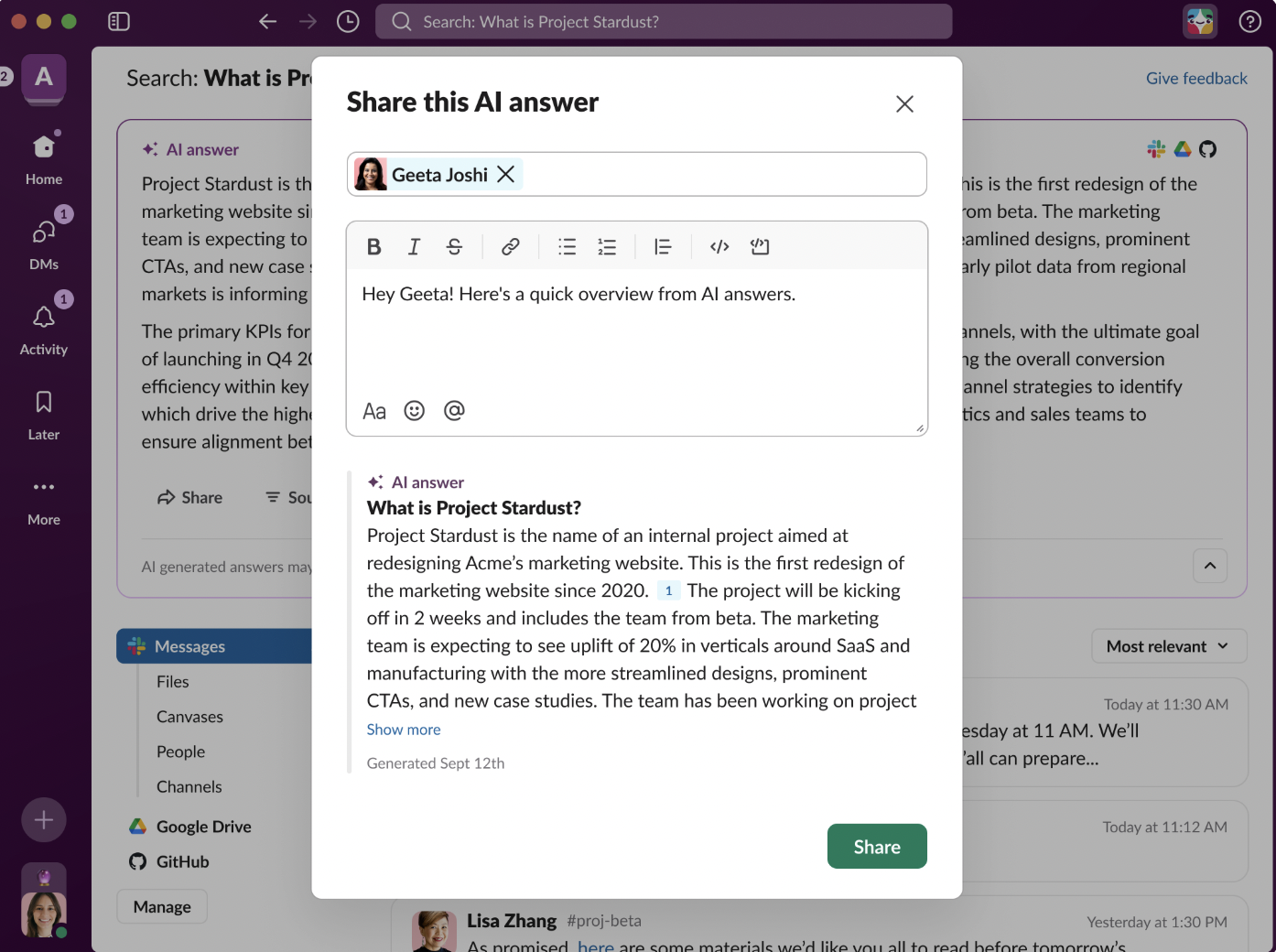
Slack's AI bot shows up when needed with suggested replies, clarifications, and proposed next steps. Agents can share AI messages instantly without any copy and pasting necessary. Slack AI's redesign also focused on reducing noise with simpler channel notification options, and improved global settings, and synching. Slack's persistent video conferencing feature "Huddles" now includes automated meeting reminders with a single click join button and mini player with docked bar to make it easier for agents to access other windows during live collaboration.
Microsoft Teams 2025 Updates
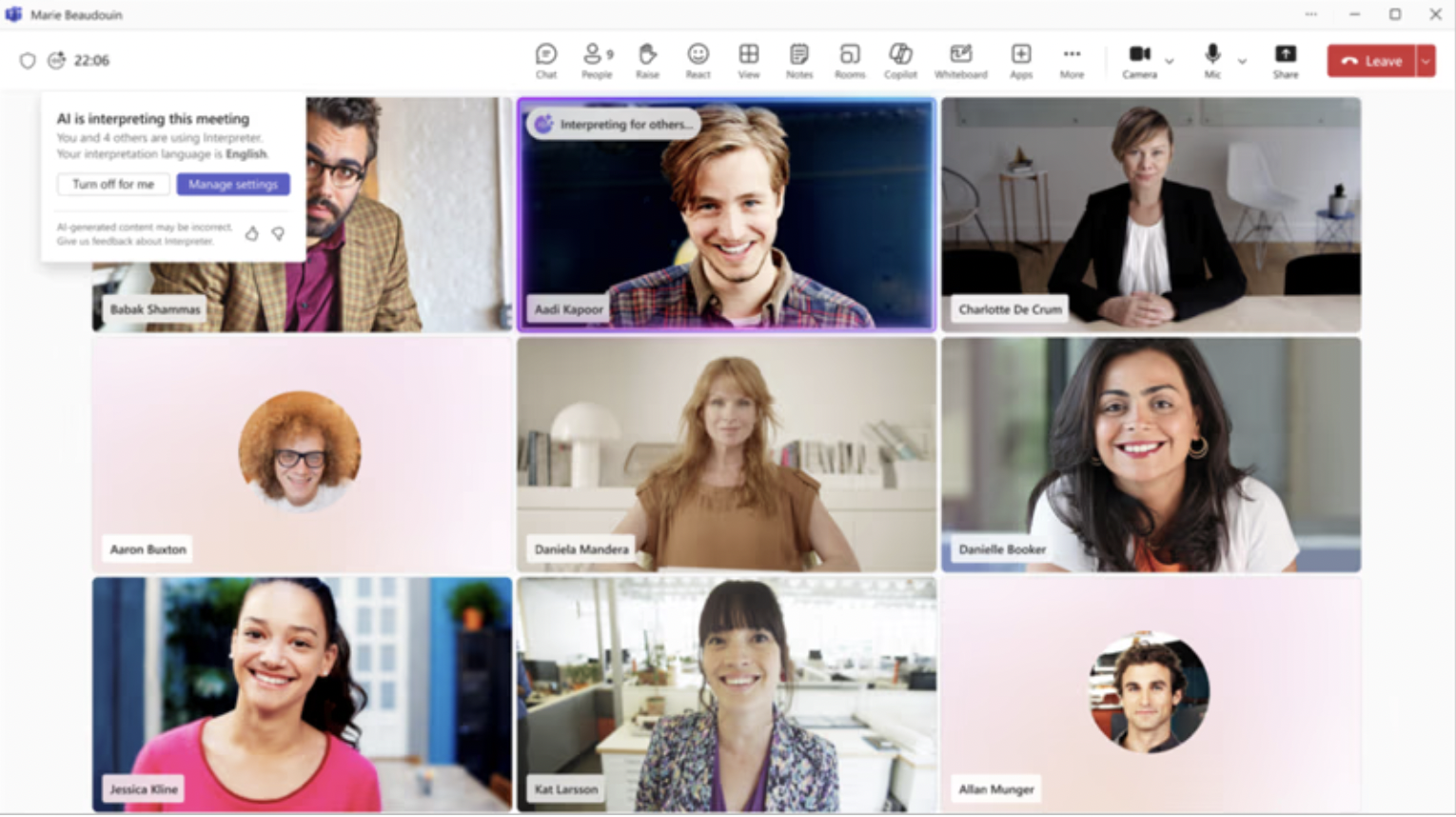
Microsoft Teams had new updates nearly every month of 2025. Most notably, intelligent recaps were expanded from only regular meetings to town halls and webinars, a pop-up intelligent recap was added to the Calls app, and a scheduling feature was added to team chat so that agents can schedule messages to post at a specific time.
In July 2025, Teams added an AI-powered, real-time speech-to-speech language interpreter for video meetings. This allows users to speak and listen in their preferred language during video meetings. The AI interpreter currently supports nine languages including Spanish, Japanese, French, and Korean.
Zoom 2025 Highlights
In 2025 at its Zoomtopia event, Zoom launched AI Companion 3.0, an agentic AI assistant that can reason over conversations, design personal workflows (in beta), and unclover insights to help agents improve their work day.
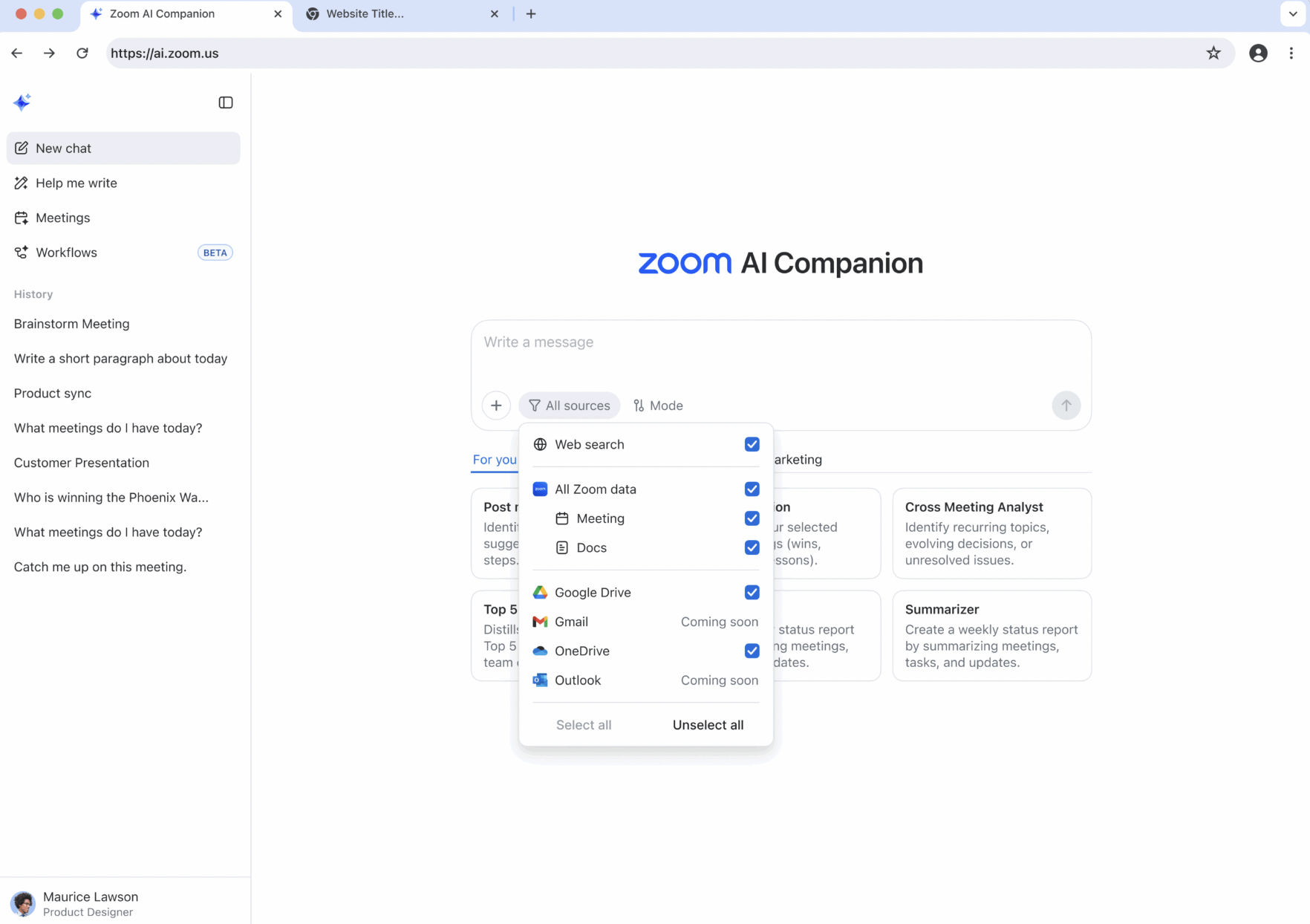
The Zoom Workplace platform also got a facelift, building AI more directly into the core user interface with video transcript search functionality, a single hub for files, third-party assets, and insights, and automatic task creation.
Zoom also announced the release of AI-driven updates to Zoom Docs including a "writing mode" that allows human agents to co-create docs with an AI agent, and "deep research mode" for more comprehensive, sourced reports.
Leveraging AI More and More
2026 could very well be the year vendors understand that they don't need bells and whistles, but rather; the tools needed to make work less annoying. Convenience is and has always been the name of the game in collaboration. Reducing turnover and burnout could lie in; ensuring tools are robust enough to foster only the best experiences.
Of course, it will also take the work of willing HR and management, along with others, to hire the right tech-savvy talent - or at least those willing to conquer bleeding-edge technologies. And that is what these tools are, after all - as their development continues to unfold before our eyes, sometimes with features that make you go "wow" while others are questionable at best.
In 2026, there's no room for (superfluous) collaboration tools - only the ones that help employees pull off feats previously unimaginable.
With the consideration of working from anywhere - this task seems increasingly difficult, but the collaboration superstars will manage with grace - and little-to-no friction as they have the right teams in place and are listening to what customers/users demand.