
AI SDRs are software agents using machine learning and natural language processing (NLP) to automate prospecting, outreaching, qualification, and scheduling human sales development reps do. While some teams deploy them and see a lift in performance, others just bolt them on to no change.
What makes AI SDRs work comes down to knowing exactly what these tools can do realistically and where they still need some human help. This guide is here to assist you in determining the viability of an AI SDR for your organization and more.
What Is an AI SDR?
An AI SDR leverages NLPs and machine learning to manage the same workload and effectively handle what a human sales representative would. Whether it’s outreach or work scheduling or even qualification, the AI SDR will take over. Many may mistake it for a drip sequence or some mail merge tool, which it really is not.
We need to think of it as a systmem that can actually identify prospects, make personalized messages, take care of replies, take basic objections and book meetings. It needs to do so without a human running things at all times.
Sometimes, marketing will label rule-based automation or shooting off pre-written emails on a timer as “AI.” An AI SDR goes beyond that by actually reading the reply, getting the intent behind it, then responding accordingly. It’s that gap in power that makes it worth understanding as a platform for usage and ultimately sets these AI SDRs apart.
AI SDR vs. Basic Sales Automation
The core difference is adaptability. Rule-based automation follows a fixed script regardless of what happens. An AI SDR adjusts based on what it learns.
| Basic Sales Automation | AI SDR | |
| Technology | Rule-based workflows and triggers | Machine learning and NLP |
| Personalization | Template variables like name and company | Contextual personalization based on signals |
| Response handling | Can’t read or respond to replies | Reads, interprets, and replies to responses |
| Learning | Static, requires manual updates | Improves from interaction data over time |
| Objection handling | None | Basic objections handled autonomously |
| Prospecting | Works from a list you provide | Can identify and source prospects independently |
If your platform can’t handle reply interpretation and response generation, it is an automation tool and not a proper AI SDR. That distinction should be the first filter you apply when evaluating vendors.
AI SDR vs. Human SDR Roles
The more productive way of seeing these distinctive roles is human augmentation rather than replacement. AI SDRs can be significantly better than humans at some things. Humans are genuinely better suited for other touchpoints. Knowing which is which determines how to deploy effectively.
| AI SDR | Human SDR | |
| Availability | 24/7 across all time zones | Business hours, time zone limited |
| Volume capacity | Thousands of touches per day | 50 to 100 activities per day |
| Response time | Instant | Minutes to hours |
| Consistency | Every lead treated identically | Variable based on energy and judgment |
| Complex conversations | Struggles with nuance and multiple stakeholders | Strong, can navigate complexity |
| Relationship building | Limited | Core strength |
| Strategic judgment | None | High |
| Cost | Flat subscription | Salary, benefits, management overhead |
We find the strongest model that tends to work best is one where the AI SDR handles the top of the funnel, high-volume prospecting, initial outreach, and early qualification. It should be that human reps take over when a conversation requires genuine relationship development or complex negotiations where cultural understanding or context is key.
How Does an AI SDR Work?
The start-to-close workflow of an AI SDR encompasses everything from identifying who to contact through to getting a qualified meeting on reps' calendars. Each stage involves distinct functions that are worth understanding as pieces before looking at the whole.
Signal-Based Prospecting and Lead Discovery
Rather than waiting for a list to be handed to it, a capable AI SDR actively monitors signals that indicate a prospect might be ready for outreach. This is one of the more underappreciated capabilities in the category, and one that separates genuine AI SDR platforms from tools that just automate sending.
The signals being monitored typically include:
- Job postings: A company hiring for roles that suggest a relevant initiative, such as a VP of Customer Success posting if you sell customer service software
- Technology stack changes: A prospect adding or removing tools that indicate a need your product addresses
- Funding announcements: Series A or B funding often precedes a period of rapid hiring and tool procurement
- Leadership changes: Say a new CRO or VP of Sales is hired at a target account, the SDR flags that as a classic trigger for outreach
- Media mentions: Coverage showcasing company growth, a new product launch, or a relevant business challenge
Utilizing a signal-based approach means the AI SDR contacts prospects at moments of genuine relevance. That way, you're just not blasting a static list and hoping for a lucky bite.
Automated Outreach and Personalization
Once prospects are identified, the AI SDR builds and executes an omnichannel outreach sequence across email and LinkedIn. The personalization here goes past pasting a first name and company into a template. The system takes on the signals it used to identify the prospect in the first place, referencing situations like the funding round, the job posting, or the technology change that triggered the outreach.
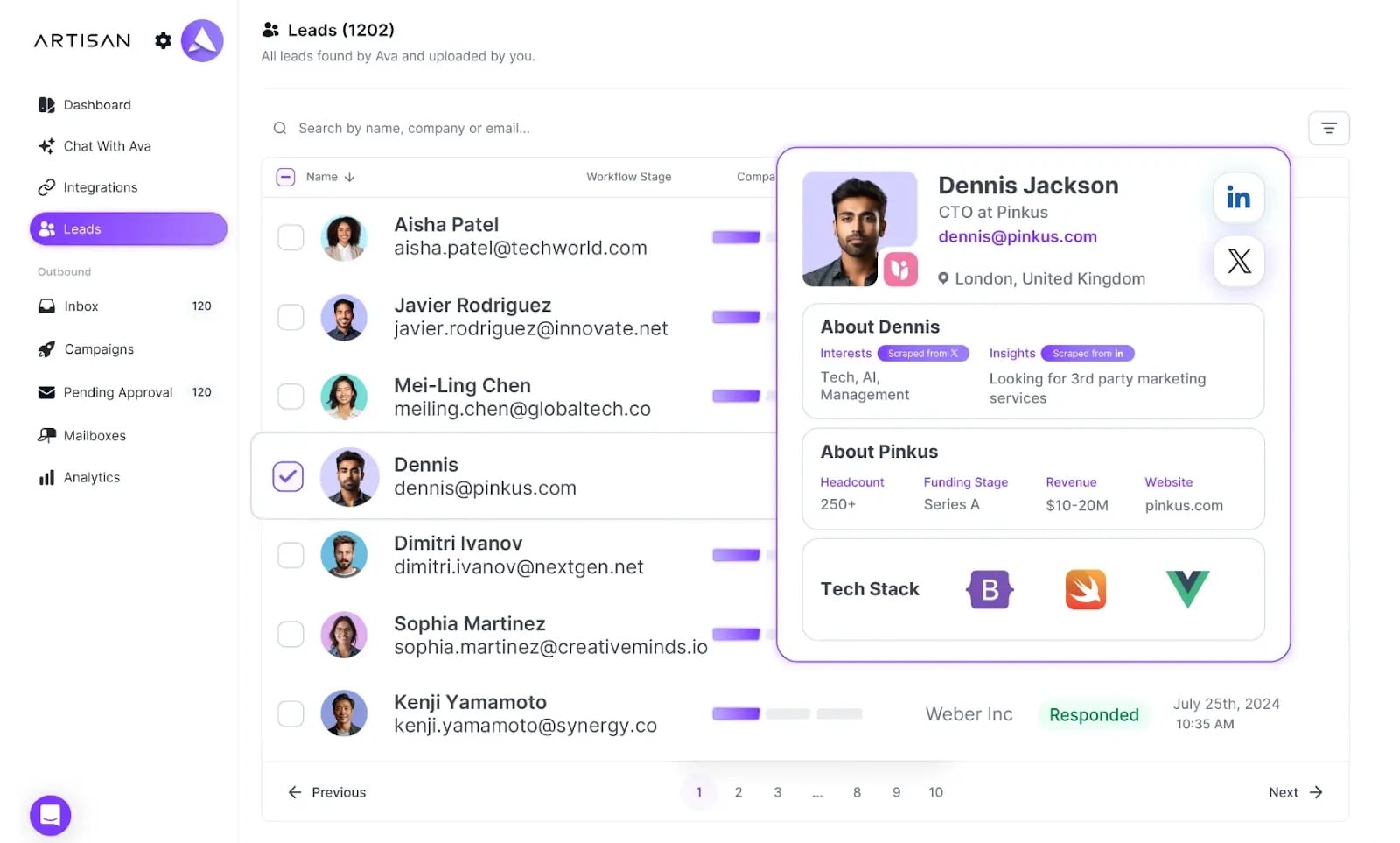
This contextual personalization is what NLP makes possible. The message reads like someone did their research rather than like it came out of a sequence. At scale, that difference in perceived effort has a meaningful impact on reply rates.
Lead Qualification and Scoring
As prospects engage with outreach, the AI SDR tracks intent signals: which emails were opened, whether a link was clicked, how quickly someone replied, and what was said. These signals feed into a qualification model that prioritizes leads based on likelihood to convert rather than treating every reply identically.
The bias elimination angle here is genuinely valuable. Human SDRs, even good ones, tend to put more effort into prospects that seem more promising based on company size or name recognition. An AI SDR applies the same process to every lead in the pipeline, which means smaller or less obvious opportunities do not get deprioritized because a rep had a gut feeling about a bigger account.
CRM Integration and Inbox Deliverability Management
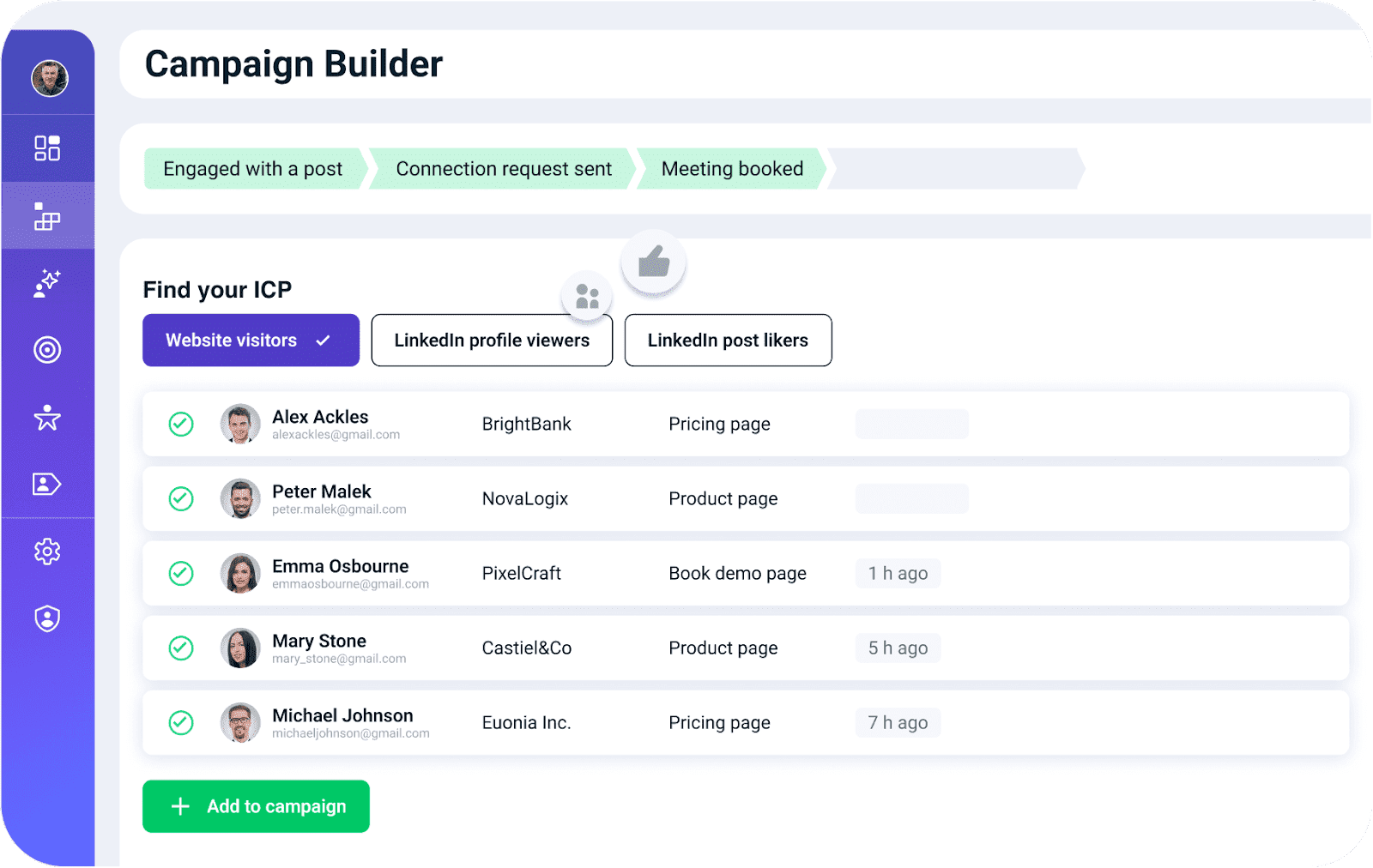
Every interaction the AI SDR handles gets logged automatically to your CRM, including the outreach sent, the replies received, qualification status, and any notes generated from the conversation. When a meeting is booked, the record is updated without anyone on your team having to do it manually.
Deliverability management is a less glamorous but equally important capability. Sending high volumes of outbound email from a single mailbox will get that mailbox flagged as spam quickly. AI SDR platforms manage this through mailbox warming, gradually increasing sending volume on new inboxes to build sender reputation before ramping up.
AI SDRs also rotate sending across multiple mailboxes, monitor deliverability metrics, and adjust sending patterns when signals indicate a spam risk. Without this logic, an AI SDR will have its messages landing in junk folders rather than inboxes.
Key Benefits of AI SDRs
Notable benefits for the AI SDR include faster speed when it comes to lead response, consistent engagement without any bias or attention sucking, and continual growth.
Faster Speed to Lead and Instant Response
Speed to lead is one of the most well-documented variables in sales conversion. Research from leading publications found that 78% of customers purchase from companies responding first to their inquiries or showing interest.[*] The same report showed that they expected a response in less than an hour. Most human SDR teams can’t consistently hit that window.
That's where an AI SDR triumphs as it responds instantly, at any hour, regardless of time zone. For outbound, the same logic applies in reverse. When a prospect replies to outreach showing interest, the speed of the follow-up response has a direct impact on whether that interest converts to a meeting.
An AI SDR that replies within minutes rather than the next business day captures momentum that would otherwise dissipate.
Consistent Lead Engagement Without Bias
Every lead gets the same quality of attention from an AI SDR. There is no equivalent of a human rep who is having a bad week, who skips follow-up steps on lower-priority accounts, or who unconsciously invests more effort in prospects from recognizable companies. The process is identical regardless of company size, industry, or how many times a prospect has been contacted before.
That consistency produces cleaner data about what actually works. When the process is variable because different reps do things differently, it is hard to know whether a change in messaging improved results or whether it just happened to coincide with one rep having a good month.
Scalable Outbound Without Headcount Growth
A human SDR can realistically manage 50 to 100 outreach activities per day. An AI SDR can handle thousands. For organizations trying to grow the pipeline without growing the team proportionally, that capacity difference changes what is possible.
The cost comparison is also meaningful. A fully loaded human SDR, including salary, benefits, management time, and ramp period, represents a significant investment that takes months to start returning value. An AI SDR subscription is typically a fraction of that cost and is operational from day one. The unit economics of top-of-funnel prospecting shift considerably when that comparison is run honestly.
Continuous Improvement Through Machine Learning
An AI SDR gets better the more it is used, provided the right feedback loops are in place. Response data teaches the model which subject lines generate opens, which messaging angles produce replies, and which qualification questions lead to booked meetings. Over time, the system optimizes toward the patterns that work for your specific audience and use case.
This is a meaningful advantage over static automation, where improving performance requires someone to manually analyze results and rewrite sequences. The learning happens continuously rather than in periodic manual review cycles.
Where AI SDRs Fall Short
However, technology has its limitations and AI SDRs can hit walls quite fast when it comes to certain elements human reps just do better. There are ways to mitigate and overcome some of these limitations but knowing them and working with a staff to augment and overcome them together is the best way out.
Upfront Training and Brand Voice Calibration
Getting an AI SDR to sound like your brand rather than a generic sales robot takes real work upfront. The system needs to be trained on your messaging, your positioning, your tone, and the specific language your market responds to. That calibration process takes time and requires ongoing refinement as you learn what works.
Teams that skip this step and deploy with default settings typically produce outreach that feels impersonal or off-brand. The AI SDR capability is only as good as the inputs it is given to work with, which means the quality of your onboarding process directly determines the quality of your results.
Complex Sales Cycles and Enterprise Deals
AI SDRs are built for volume and consistency. They are not built for the kind of nuanced, multi-stakeholder navigation that enterprise deals require. When a prospect reply involves a complex objection, a request for a detailed technical conversation, or a situation that requires reading between the lines, AI SDRs reach their ceiling quickly.
Trying to use an AI SDR to manage late-stage enterprise conversations is a reliable way to damage relationships that a human rep spent months building. The technology is well-suited to high-volume, lower-complexity top-of-funnel work. It is not a substitute for experienced human judgment in situations that require it.
Data Quality and Integration Dependencies
An AI SDR's prospecting and personalization capabilities depend entirely on the quality of the data it has access to. A CRM full of outdated contact records, missing fields, and duplicate entries will produce outreach that undermines rather than builds credibility. The same applies to the signal data feeding the prospecting engine.
Before deploying an AI SDR, it is worth doing an honest audit of your data infrastructure. The platforms are sophisticated tools, but they can’t compensate for garbage input data. The teams that get the most out of AI SDR technology are typically the ones with the cleanest underlying data and the most reliable integrations between their tools.
Top AI SDR Platforms to Evaluate
The right platform depends heavily on whether your primary need is outbound prospecting, inbound conversion, or a combination of both. Here is how the leading options compare.
| Platform | Best For | Starting Price |
| Artisan AI | Autonomous outbound prospecting | Contact for pricing |
| 11x.ai | High-volume outbound automation | Contact for pricing |
| AiSDR | Personalized outreach and LinkedIn | From $750/month |
| Qualified | Inbound pipeline and website conversion | Contact for pricing |
Artisan AI
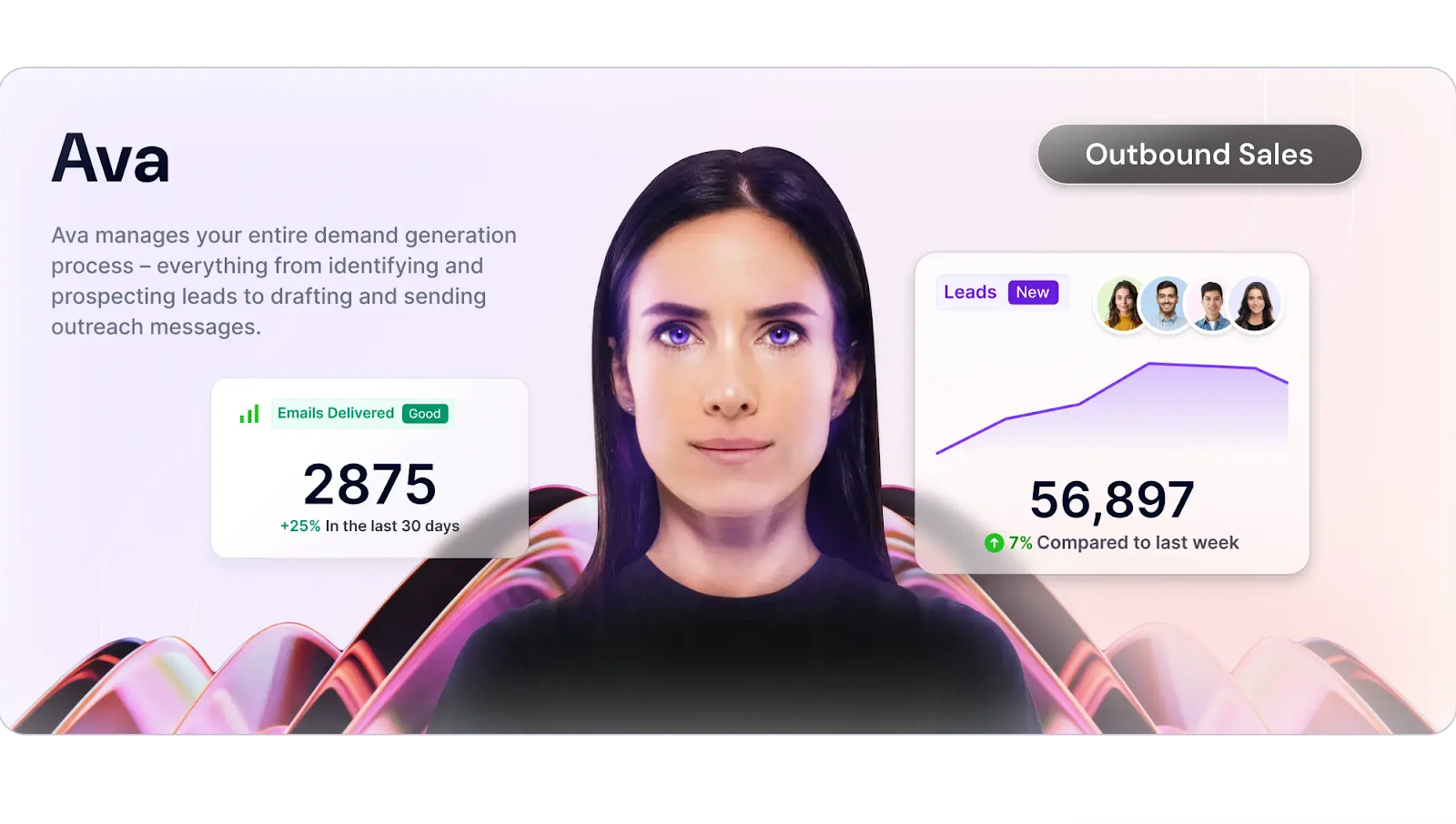
Artisan positions its AI SDR, Ava, as a fully autonomous AI employee rather than a software tool you configure and manage. The idea is that Ava handles the complete outbound workflow independently, from identifying prospects using signal-based triggers to crafting personalized outreach and booking meetings, without needing a human to approve each step.
Where Artisan differentiates is in the depth of its prospecting intelligence. Ava monitors buying signals like job postings, technology stack changes, and funding announcements to identify prospects at a moment of genuine relevance rather than working from a static list. That signal-based approach tends to produce better timing on outreach, which matters more than most teams realize.
The platform also handles the operational infrastructure that many teams overlook, including mailbox warming, deliverability monitoring, and CRM sync. For teams that want outbound running at scale without building that infrastructure themselves, Artisan is one of the more complete out-of-the-box options in the market.
Pricing: Custom pricing based on contact volume and features. No public pricing tier available.
Standout Features:
- Autonomous prospect identification using signal-based triggers including job postings and tech stack changes
- Personalized multi-channel sequences across email and LinkedIn
- Automated inbox warming and deliverability management
- CRM sync with real-time activity logging
Pros
- Highly autonomous, minimal human intervention needed
- Strong deliverability infrastructure built in
- Signal-based prospecting improves outreach timing
Cons
- Limited transparency into how Ava makes prospecting decisions
- No public pricing makes budgeting difficult upfront
- Requires meaningful onboarding investment to calibrate brand voice
Best for: Outbound-focused teams that want a high degree of automation across the full prospecting workflow with minimal manual input.
11x.ai
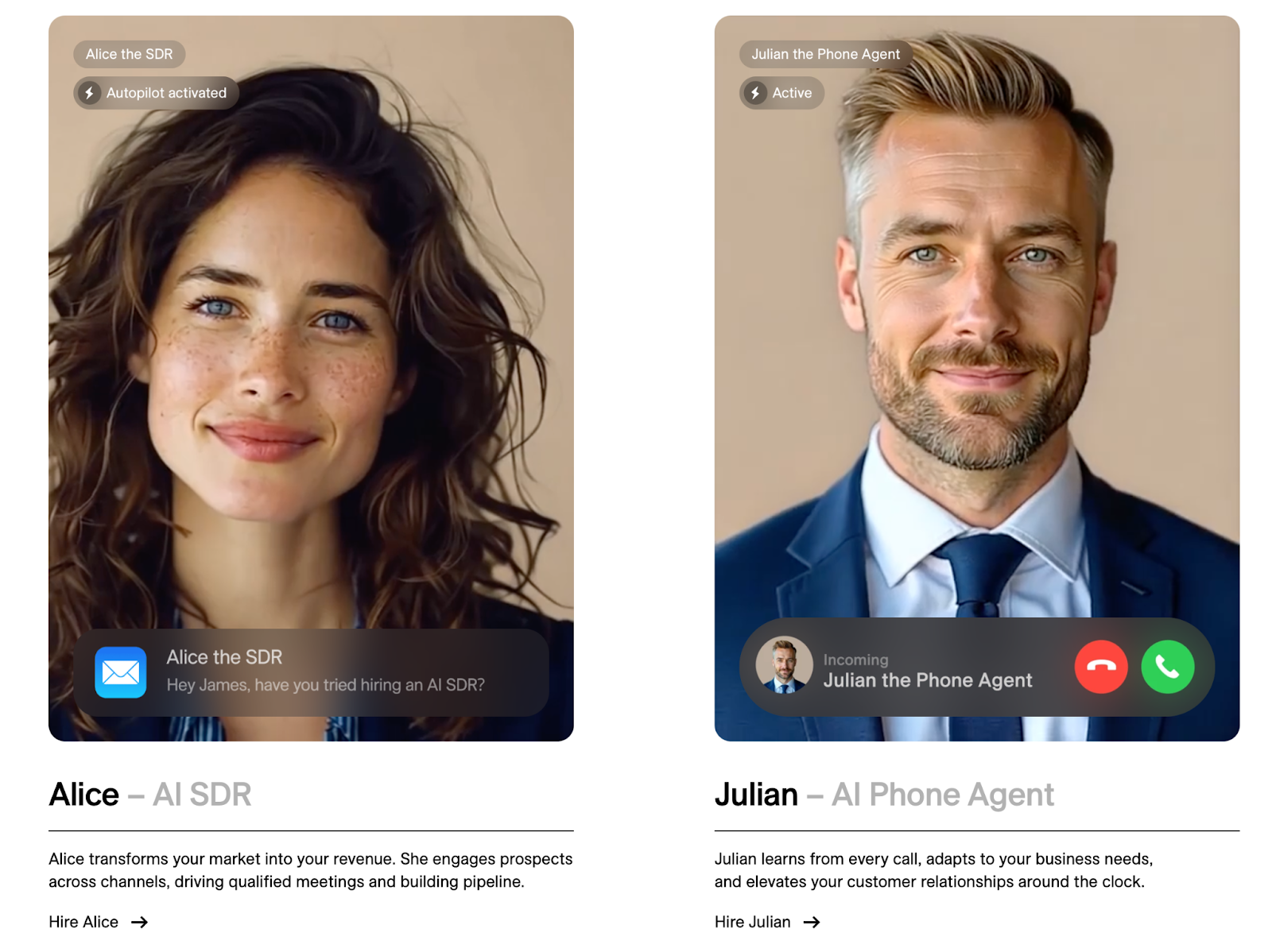
11x takes a two-agent approach to the AI SDR category, offering Alice for outbound prospecting and Jordan for inbound qualification. The two work in tandem, with Alice handling top-of-funnel outreach and Jordan managing the leads that come back through your website or marketing channels. For teams that need coverage on both sides of the pipeline, that dual setup is one of the cleaner solutions available.
Alice is built for volume. She runs multi-channel sequences across email and LinkedIn, monitors engagement signals, handles replies, and books meetings around the clock across time zones. The positioning is less about sophisticated personalization and more about consistent, scalable execution at a level no human SDR team can match in headcount terms.
Jordan's inbound qualification capability is where 11x earns particular attention for revenue teams with significant website traffic. Rather than letting inbound leads sit in a queue until a rep follows up, Jordan engages them immediately, qualifies them through conversation, and routes the right ones directly to a human rep with context already captured.
Pricing: Custom pricing. Positioned for mid-market and enterprise buyers.
Standout Features:
- Alice handles end-to-end outbound including prospect research, sequencing, and follow-up
- Jordan qualifies inbound leads and routes them to the appropriate human rep
- 24/7 operation with instant response capability across time zones
- Integration with major CRM platforms and sales engagement tools
Pros
- Covers both inbound and outbound with dedicated agents
- Strong volume capacity with 24/7 operation
- Solid CRM integration across major platforms
Cons
- Dual agent setup adds complexity to onboarding and configuration
- Custom pricing with no public tiers makes evaluation harder
- Less emphasis on deep personalization compared to some competitors
Best for: Teams looking to scale both inbound and outbound simultaneously without proportional headcount growth.
AiSDR
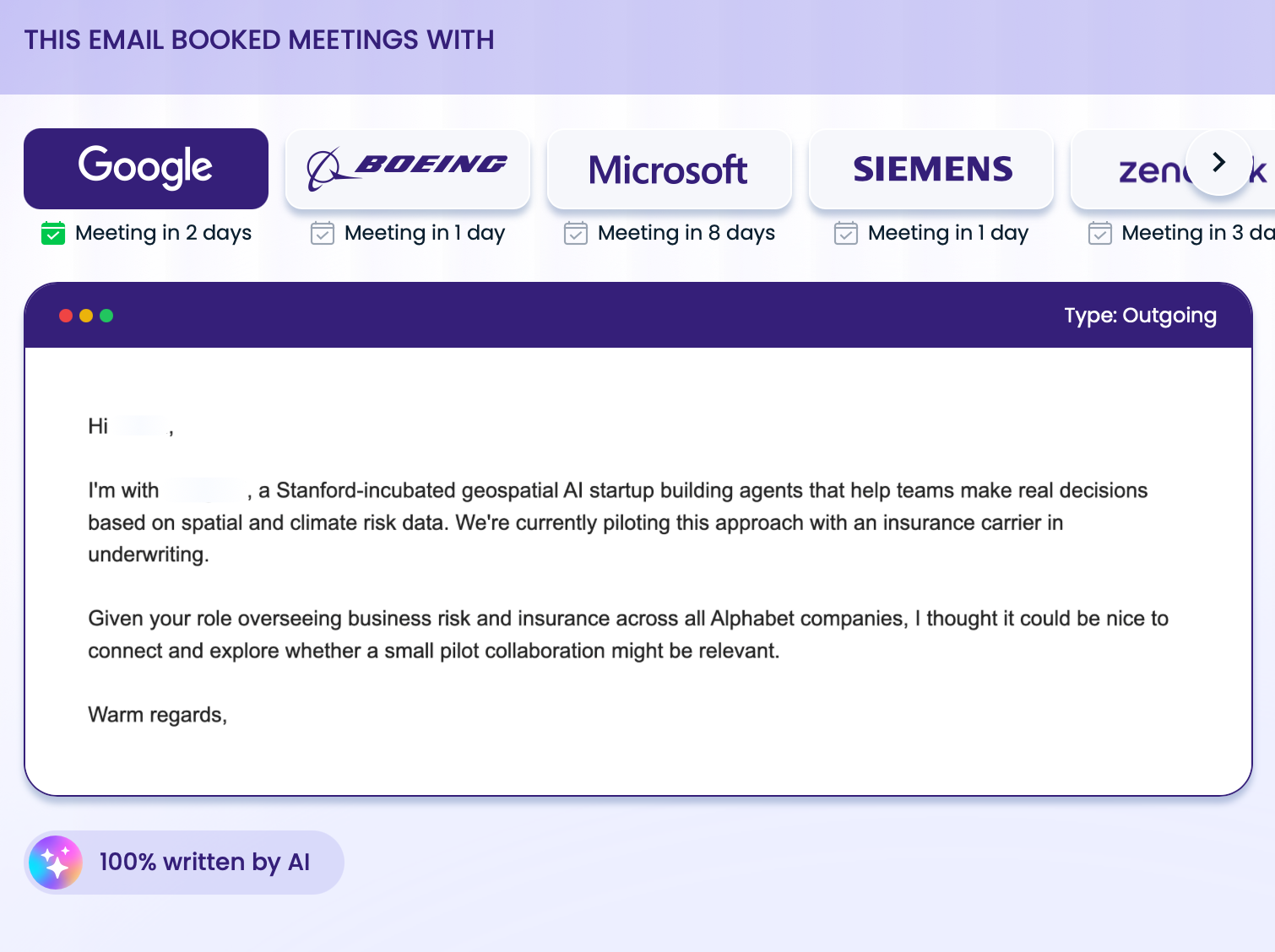
AiSDR's primary differentiator is personalization quality, specifically its use of LinkedIn activity data to inform outreach. Rather than relying solely on company-level signals, it pulls from what a prospect has actually posted, commented on, or engaged with recently to build messaging that references something genuinely relevant to that individual. The result tends to read less like automated outreach and more like someone who actually did their homework.
The platform covers the full outreach workflow including sequence management, reply detection, response generation, and lead scoring. Where it earns its place on this list is in situations where your target market is active on LinkedIn and generic personalization is not cutting through. The more your buyers are engaged on that platform, the more this approach pays off.
Pricing is more transparent than most competitors in this space, with a published starting point around $750 per month. That makes it easier to run a realistic cost comparison early in your evaluation process, which is not something you can do with most AI SDR vendors until you are already in a sales conversation with them.
Pricing: Starts from approximately $750 per month depending on volume and features.
Standout Features:
- LinkedIn activity-based personalization for email outreach
- Automated follow-up sequences with reply detection and response generation
- Lead scoring based on engagement signals and qualification criteria
- Native CRM integration with automated field updates
Pros
- LinkedIn-based personalization produces more relevant outreach
- Transparent published pricing makes evaluation easier
- Strong reply handling and follow-up automation
Cons
- Less effective if your target market is not active on LinkedIn
- Narrower prospecting intelligence compared to signal-heavy competitors
- Volume capacity may not match larger dedicated outbound platforms
Best for: Teams where personalization quality is the primary concern and LinkedIn is a core outreach channel for their target market.
Qualified
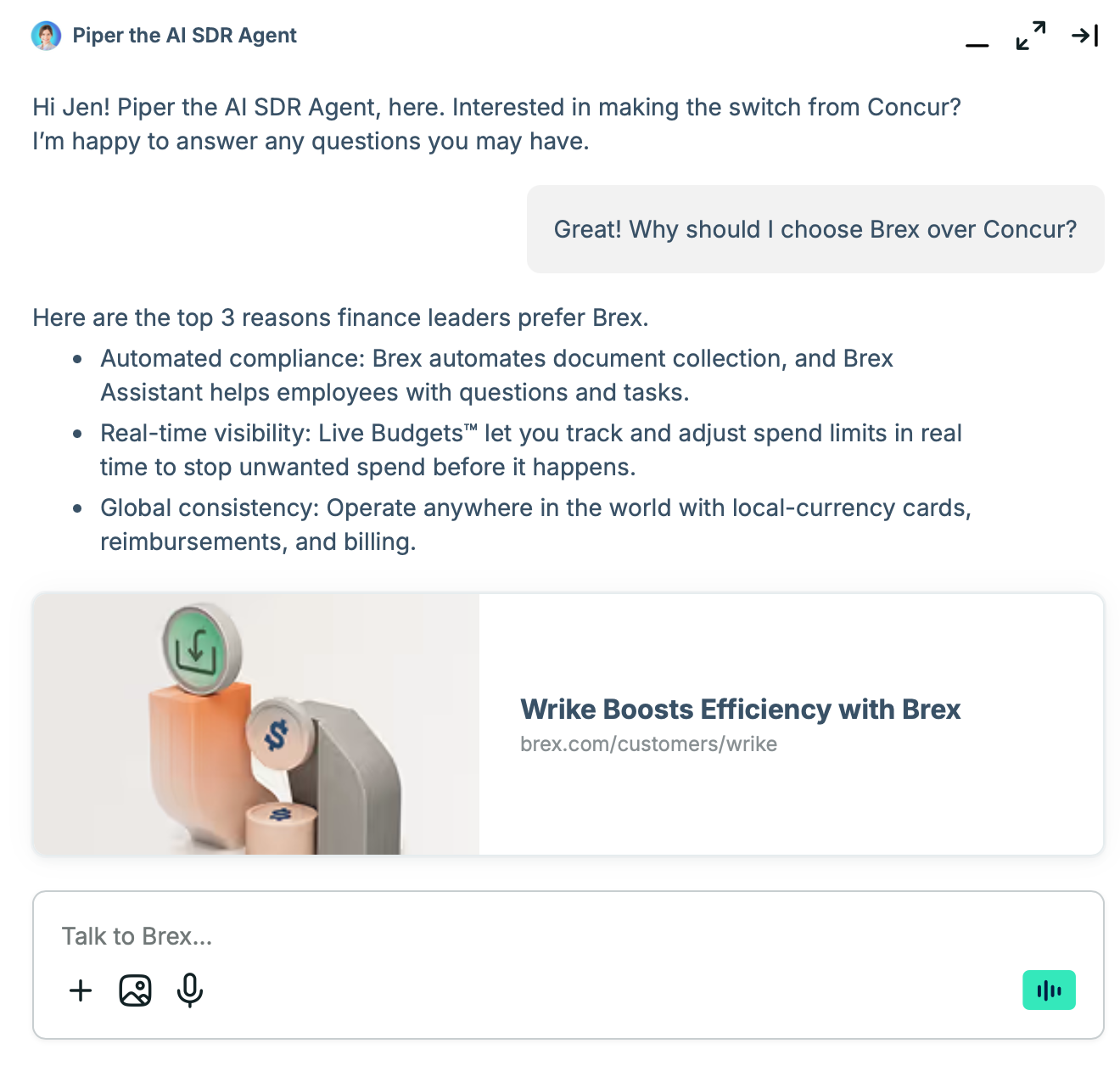
Qualified sits in a slightly different category from the other platforms here. While the others are primarily built around outbound prospecting, Qualified is focused on converting the pipeline you are already generating through your website. It identifies high-intent visitors in real time, engages them immediately through AI-powered conversation, and routes the most valuable ones to a live rep before they leave the page.
The platform's pipeline intelligence capability is one of its stronger features. It surfaces which accounts are actively researching your product across your site, which pages they are visiting, and what signals indicate purchase intent, giving sales teams a prioritized view of who to focus on rather than treating all inbound traffic equally. For teams running account-based strategies, that account-level visibility is particularly useful.
Qualified is built deep into the Salesforce ecosystem, which is both a strength and a limitation depending on your tech stack. If Salesforce is your CRM of record, the integration is genuinely tight and the data flow between platforms is clean. If you are running on HubSpot or another CRM, the fit is less natural and worth pressure-testing before committing.
Pricing: Custom pricing. Positioned primarily for enterprise B2B teams.
Standout Features:
- Real-time visitor identification using first-party and intent data
- AI-powered chat that qualifies visitors and routes high-intent prospects to available reps instantly
- Pipeline intelligence that surfaces which accounts are showing buying signals across your site
- Deep Salesforce integration built as a core part of the product architecture
Pros
- Strong real-time intent data for inbound conversion
- Pipeline intelligence gives sales teams clear prioritization
- Immediate engagement reduces lead response time to near zero
Cons
- Built primarily for Salesforce, less suited to other CRM stacks
- Not designed for outbound prospecting, narrower use cases
- Enterprise pricing puts it out of reach for smaller teams
Best for: Enterprise B2B teams with significant inbound traffic who want to convert more of it into pipeline without increasing headcount.