SIP Trunking Providers - Compare Best SIP VoIP Phone Services

"SIP" stand for Session Initiation Protocol. "Trunking" refers to a large number of telephone users sharing a smaller number of communication paths. With SIP, all calls are local calls. SIP Trunking calling offers free calling to other SIP networks, and very inexpensive calling overall. SIP Trunks combine your voice, video and data networks into a single line. With the session initiation protocol, you can keep your real time traffic on the internet, and off the PSTN as much as possible. SIP can take your business to the next level. Compare top SIP Trunking Providers below.

VoIP Provider Plan Features Setup Costs Monthly Price Video Overall Grade User Ratings & Reviews Visit Provider
Amazing Service Guarantee
Unlimited Nationwide Calling
Keep Your Existing PBX System
Easy Setup - No Contracts
Free $14.95
Watch
A+
4.761905
(4.8)
Cloud Managed Phone System
Free Personalized Demo
30-Day Money Back Guarantee!
Unlimited Calls & Fax (US/CA)
Free $19.99
Watch
A-
4.183675
(4.2)
Advanced Features & Customization
100% US Based Support
Easy Setup - No Contracts
Unlimited Calling + Free Features
Free $19.95
Watch
A
4.742855
(4.7)
Get One Month Free
Unlimited/Metered Plans
Includes 40+ Calling Features
100% US Based Support
Free $19.99
Watch
B+
4.112245
(4.1)
#1 Market Leader Award
Easily Deployable
Unlimited Extensions
Integrate Existing System
Free $19.99
Watch
B
3.74603
(3.7)

Latest SIP Trunking Articles

How to Combat SIP Trunking Compatibility Issues

SIP Trunking blends users’ voice and data connections into a single line to deliver a number of advantages not found in other services—i.e. greater cost efficiency, expanded services,...

What Businesses Want: SIP Trunking vs. Hosted PBX

SIP Trunking and hosted PBX services offer businesses two primary advantages: cost efficiency and extensive features. Yet, with different functionalities and features, it isn’t always easy to...

Business VoIP Services & Desktop Integration

Business VoIP providers typically offer users a standard suite of VoIP features with their service plans. While these features range a variety of functions and applications, many providers...

Broadvox Lowers Pricing on their Business VoIP Services

One of the primary advantages of switching to VoIP service is cost efficiency. With that, various providers offer quality, inclusive services for a fraction of the cost of traditional landline...

What is SIP Trunking?

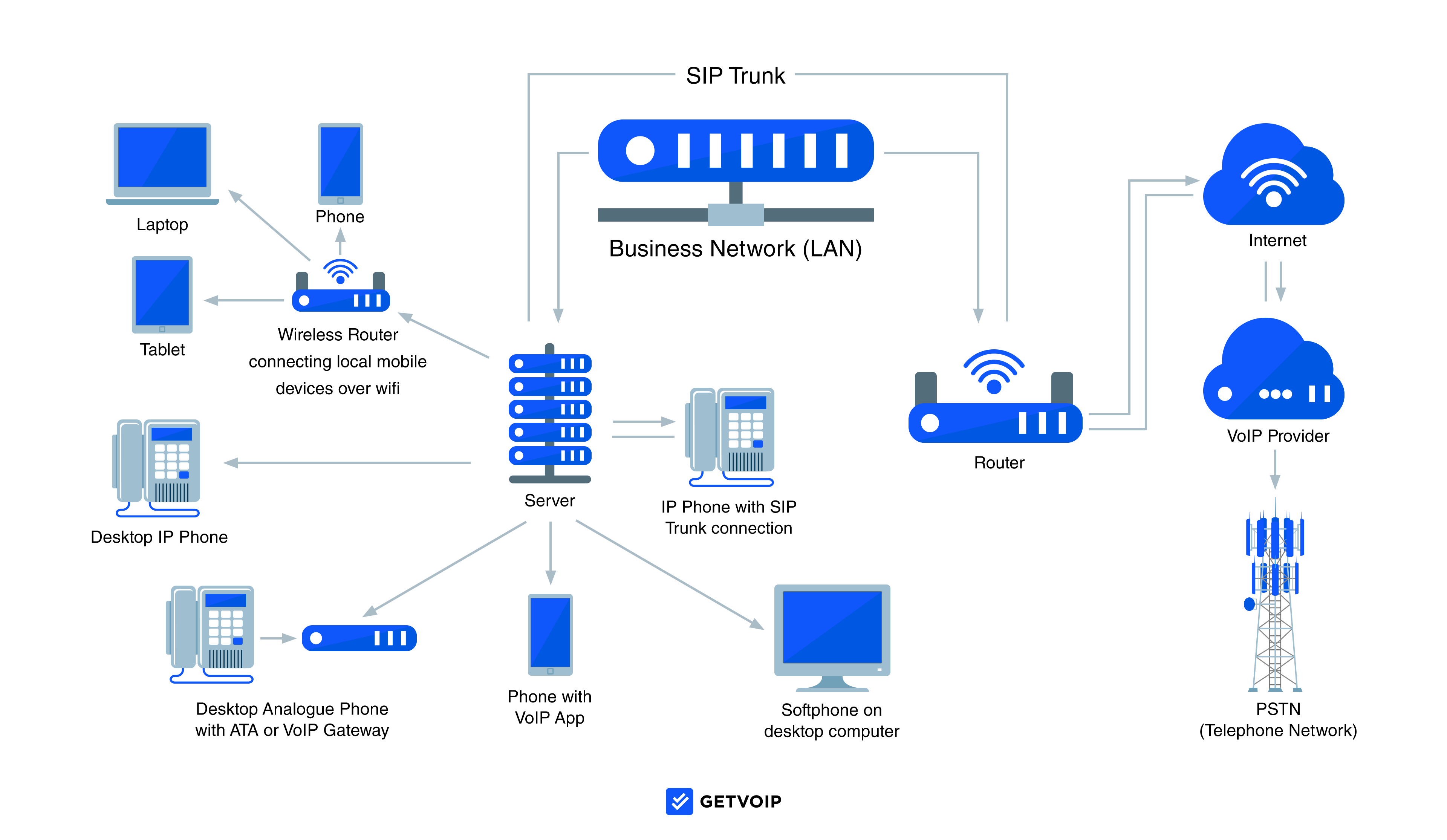
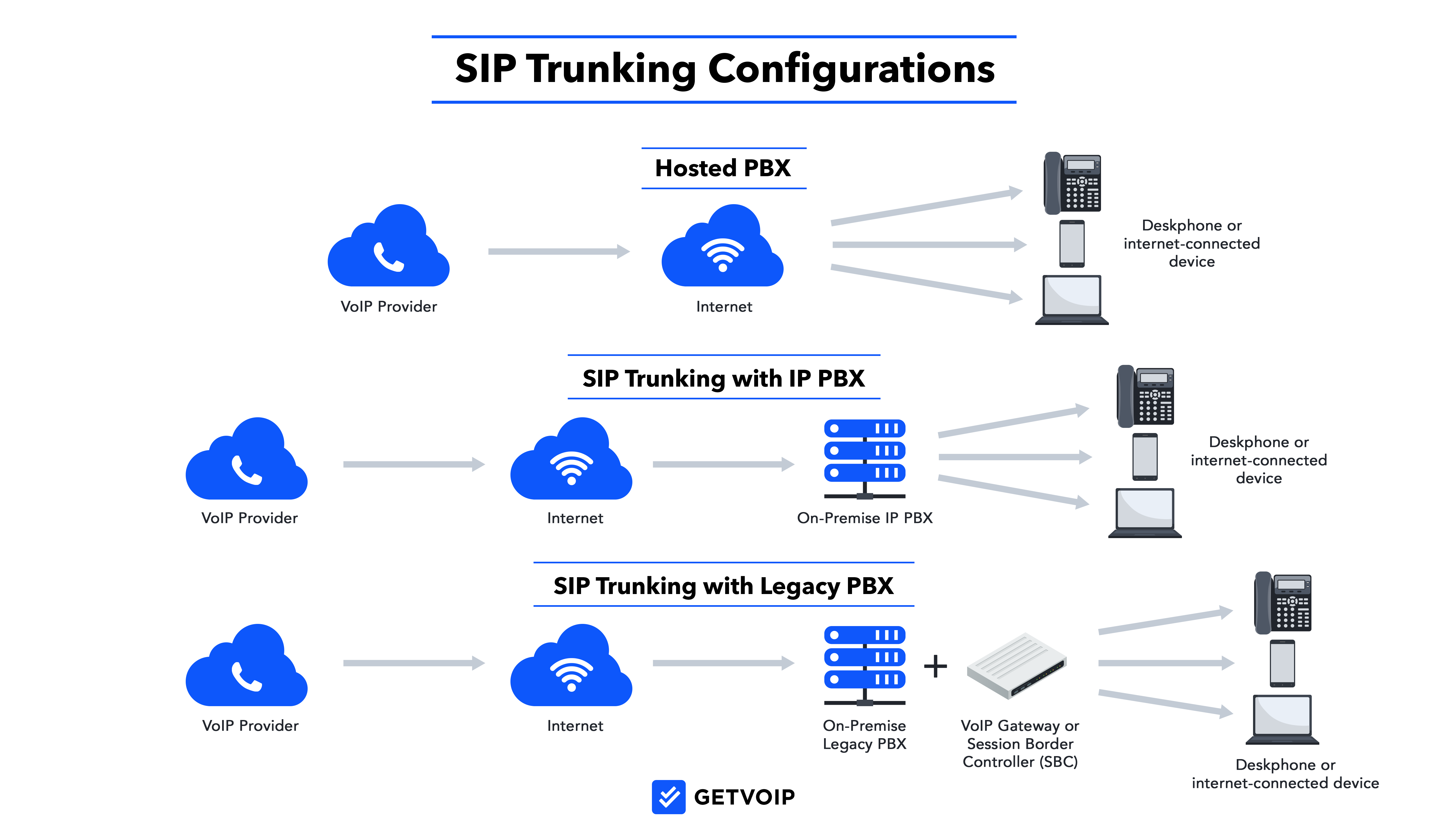
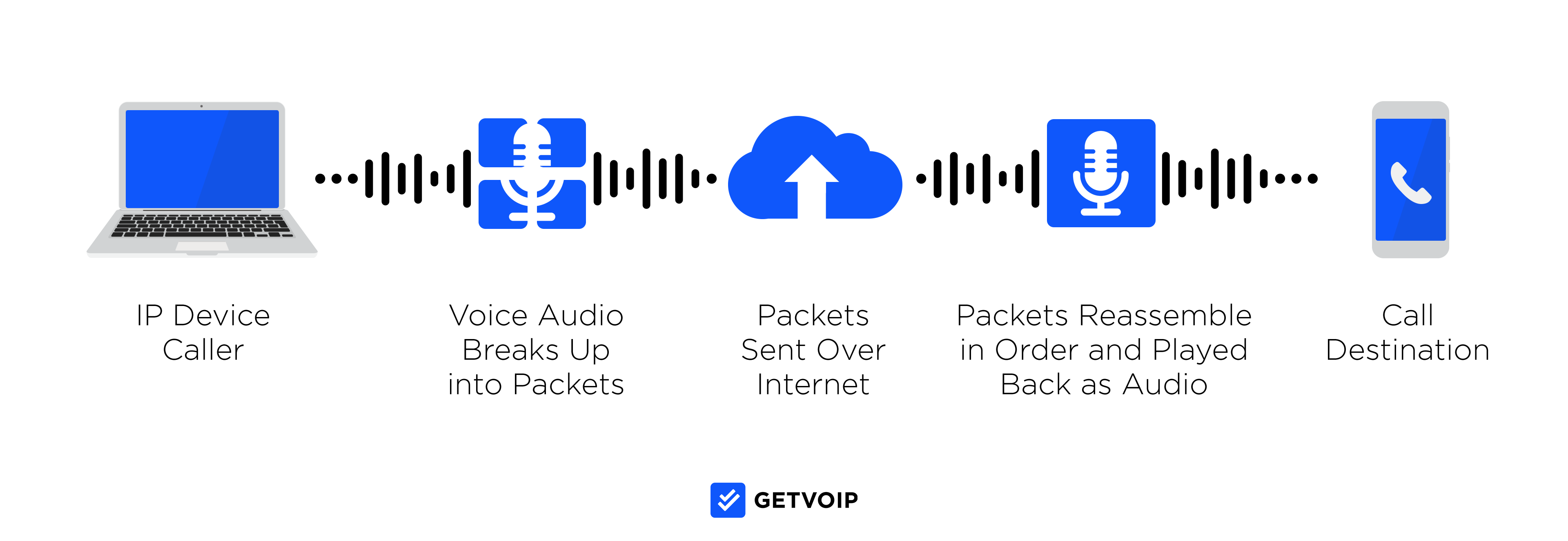
SIP Trunking (Session Initiation Protocol) is a VoIP communication system using your internet connection to make and receive large volume of phone calls with optimal functionality. SIP services are offered by most VoIP providers for both small and large businesses. SIP integrates your voice, video, data and internet service into a single line. “Trunking” is a term that dates back to the days of telephone service to describe a large number of telephone users sharing a smaller number of communication paths. With SIP, all calls are local calls, and you don't even need a phone line. Click here for the complete explanation of SIP Trunking.

Advantages of SIP Trunking

The advantages of SIP help level the playing field, making it easier for small businesses to appear large and professional, and easier for large businesses to maintain a local presence. Either way, the most important feature of any system is that it be reliable and add to your bottom line. SIP VoIP business services specifically, help you do just that.

- Very inexpensive calling
- Future-proof technology and ease of scalability
- Ability to take your number with you if you travel or move offices
- If one office has a network outage, calls will be routed to other offices
- Good for medium and large business with more than 25 phones
- Good for businesses with international offices
- Enhanced 911/Emergency calls

How Will SIP Trunking Help My Business

Before SIP, you needed a Primary Rate Interface (PRI) to carry voice, data, and video over one line. A PRI is a physical device that you had to purchase along with the calling plans from your phone provider. With SIP, your provider sets up a proxy server, also called a SIP proxy, which provisions incoming, outgoing, and PBX calls. Nothing is on-site. Instead of an IT team, or IT contractor, your provider takes care of all technical support, saving you time and money.

If you have to temporarily shut down a location, SIP trunks will automatically reroute calls to other locations and extensions. Let’s say there is an unexpected power outage during the day. Calls can be rerouted to a satellite office.

For companies that have an international presence, or are looking into outsourcing, SIP can take your business to the next level. You can have customer service staff spread across the country or even the world.